WORLD · MISSION
Why Is Japan Sending a Probe to Mars’s Moon?
Japan launched MMX to bring back samples from Phobos, one of Mars’s two moons. Here’s the timeline and what it could tell us.

Transcript of the video edition
Why is Japan sending a spacecraft to a moon of Mars? To bring pieces of it back home. The mission launched on October nineteenth.
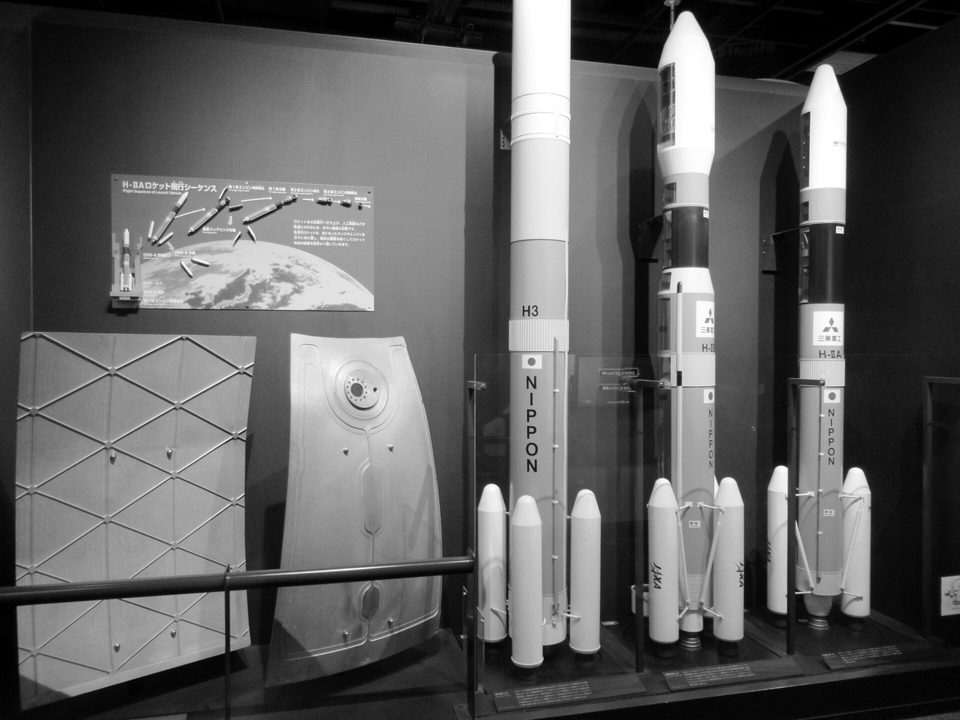
It is called MMX. It flew on a Japanese H3 rocket from Tanegashima. The trip to Mars takes about ten months.
It should reach Mars in August twenty twenty-seven. A landing on Phobos could come around twenty twenty-eight or twenty twenty-nine, though schedules can slip.
Phobos is the bigger of Mars’s two small moons. The plan is to collect at least ten grams of surface material and fly it home. Scientists want to learn how Mars and its moons formed.
The samples should return in twenty thirty-one, landing in Australia. NASA is adding instruments, and France and Germany built a small rover.
So why go to Phobos? Ten grams of a moon, sent home. Watch for twenty thirty-one. Thanks for watching.
Sources
- JAXA, launch of MMX on H3 rocket (Oct 2026), mmx-news.isas.jaxa.jp
- Space.com, ‘Watch Japan launch a bold sample-return mission to Mars moon Phobos’ (Oct 2026)
- SpacePolicyOnline, ‘JAXA’s MMX Enroute to Mars To Return Samples of Phobos’ (Oct 2026)
This video edition was scripted with automated tools from the sources listed, narrated by a synthetic voice and published by Daniel Varrone. Corrections: editor@monochromechronicles.com