World · Mexico
Pope Condemns Mexico’s Religious Laws as Church Dispute Drags On
A November encyclical describes limits on priests, schools and worship under the Calles government. The Mexican bishops have suspended services that need clergy since July.
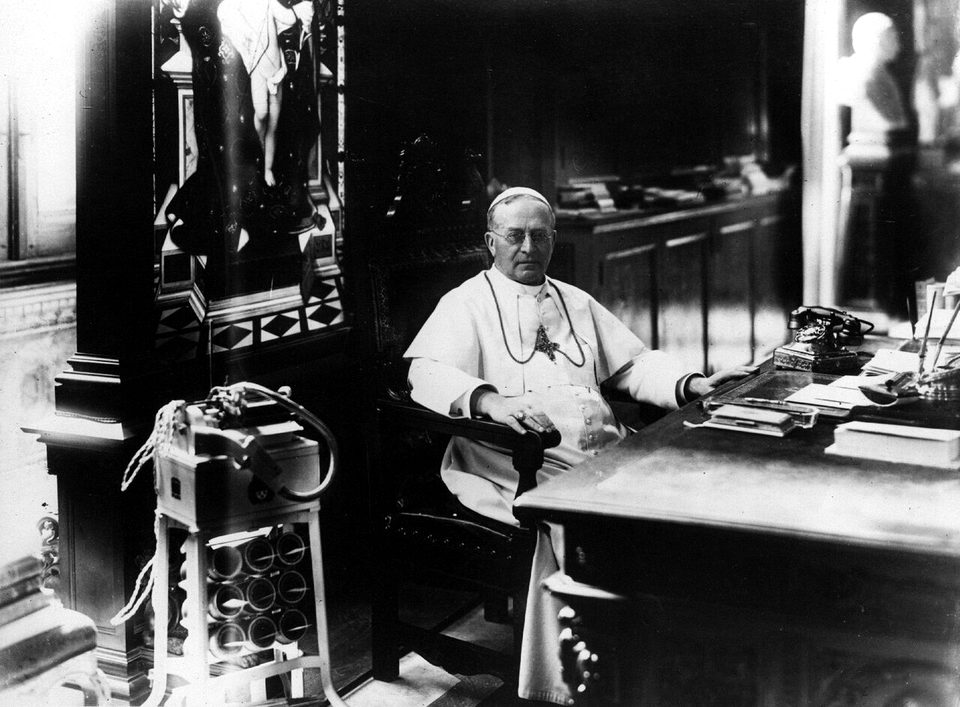

The conflict between Mexico’s government and the Roman Catholic Church enters the new year with no sign of a settlement. In an encyclical dated Nov. 18, Pope Pius XI criticized the Mexican constitution of 1917 and the enforcement law that took effect in July under President Plutarco Elias Calles, and he asked Catholics to keep up and increase their prayers, noting that clergy had urged the faithful to persevere in passive resistance.
The Pope wrote that the constitution separated church and state but left the church without legal standing, put worship under state control and made church buildings state property. The enforcement law, he said, was harsher still and was used to make ordinary Catholic activity look criminal. Wikipedia’s account of the period dates the law’s taking effect to late July 1926.
According to the encyclical, the Mexican bishops protested through pastoral letters and petitions to Congress, which rejected their petition. The bishops then suspended public worship that required clergy, beginning at the end of July, and told lay people not to serve on the state-appointed church committees. The Pope wrote that several bishops had been exiled, arrested or forced to leave their dioceses.
He also said priests must register with the authorities to minister and face limits on their numbers and the risk of prison, that religious teaching is banned even in private schools, that church schools have lost legal recognition for their diplomas, and that foreign priests and members of religious orders have been expelled. He praised the clergy for their steadfastness and said only one or two of the four thousand priests had betrayed their office. Among lay groups he praised the Knights of Columbus, the Federation for the Defense of Religious Liberty and the Catholic Society of Mexican Youth, and he wrote that members had been arrested, with some given prison terms or fines.
The Pope asked the faithful to pray more, quoted the bishops’ call to obey God rather than men, and said relief could come only by a special act of divine mercy. The letter is the Church’s account of the dispute and does not set out the Mexican government’s side. The Pope also urged Catholics to hold firm in their faith and invoked Our Lady of Guadalupe to console the Mexican people and to intercede for peace.
Sources
- Vatican (Pius XI encyclical Iniquis afflictisque), Nov. 18, 1926: description of Mexican laws, the bishops’ suspension of worship, the clergy, schools and the Pope’s appeal <https://www.vatican.va/content/pius-xi/en/encyclicals/documents/hf_p-xi_enc_18111926_iniquis-afflictisque.html>
- Wikipedia, Oct. 30, 2026 (later source): Cristero War, timeline of the Calles Law, the boycott and the November encyclical <https://en.wikipedia.org/wiki/Cristero_War>
This article was drafted with automated tools from the sources listed, checked by a review pass, and published by Daniel Varrone. Corrections: editor@monochromechronicles.com