United States · Prohibition
Supreme Court Upholds Separate Liquor Possession and Sale Convictions
Justice Brandeis writes that a defective arrest warrant did not void the case and that possessing and selling the same liquor are distinct offenses.
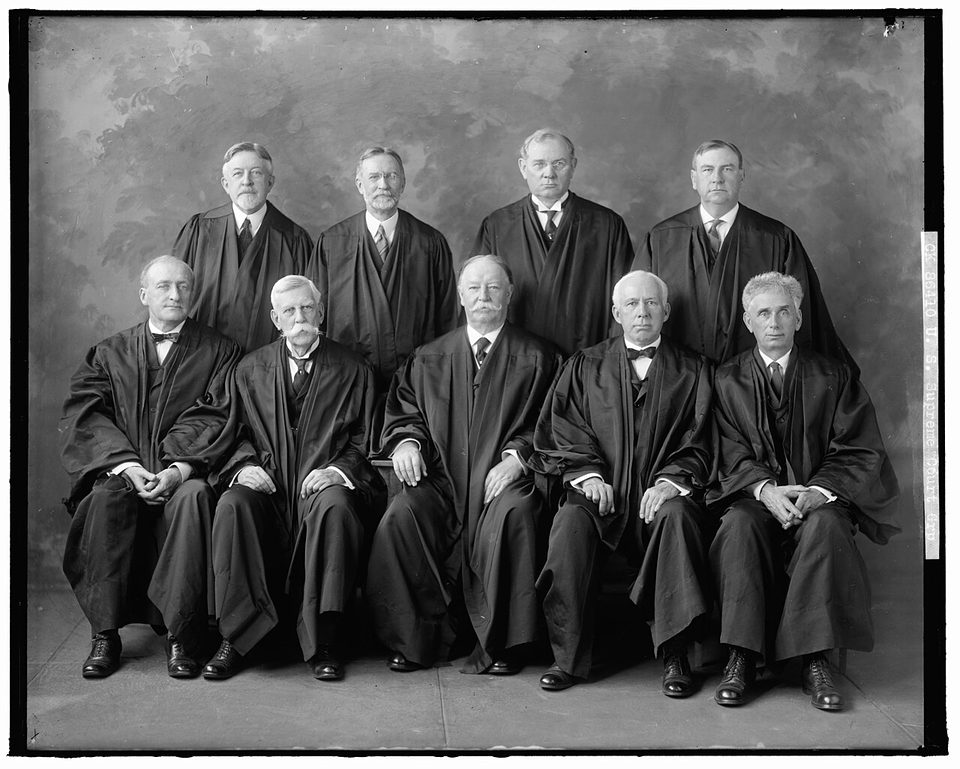

The Supreme Court affirmed Monday the convictions of a group of defendants under the National Prohibition Act, ruling in Albrecht v. United States that a flaw in their arrest warrant did not undo the prosecution. Justice Brandeis wrote the opinion.
The defendants were convicted on nine counts: four for illegal possession of liquor, four for illegal sale and one for maintaining a common nuisance. The affidavits supporting the warrant had been sworn before a notary who was not authorized to administer oaths in federal criminal cases. The Court agreed that the arrest violated the Fourth Amendment, which requires warrants to rest on oath or affirmation, but said that a defective arrest does not by itself strip a court of jurisdiction. The trial court allowed the affidavits to be sworn again, and because the defendants had not moved to quash the warrant before the defect was cured, the Court held they could no longer object to it.
The Court also rejected the claim that punishing both possession and sale of the same liquor amounts to double punishment under the Fifth Amendment. Possessing and selling are distinct offenses, Brandeis wrote, and Congress may punish each step of a prohibited transaction separately.
Sources
- U.S. Supreme Court opinion (via Public.Resource.Org), Jan. 3, 1927: Albrecht v. United States, 273 U.S. 1, facts, counts and reasoning <https://law.resource.org/pub/us/case/reporter/US/273/273.US.1.9.html>
- Cornell Legal Information Institute (U.S. Supreme Court text), Jan. 3, 1927: date, author and holding <https://www.law.cornell.edu/supremecourt/text/273/1>
This article was drafted with automated tools from the sources listed, checked by a review pass, and published by Daniel Varrone. Corrections: editor@monochromechronicles.com