United States · Supreme Court
Supreme Court Justices Press Trump Lawyer on Sweeping Emergency Tariffs
Conservative and liberal justices questioned whether a 1977 emergency-powers law lets the president tax imports, though Justice Kavanaugh sounded more sympathetic.
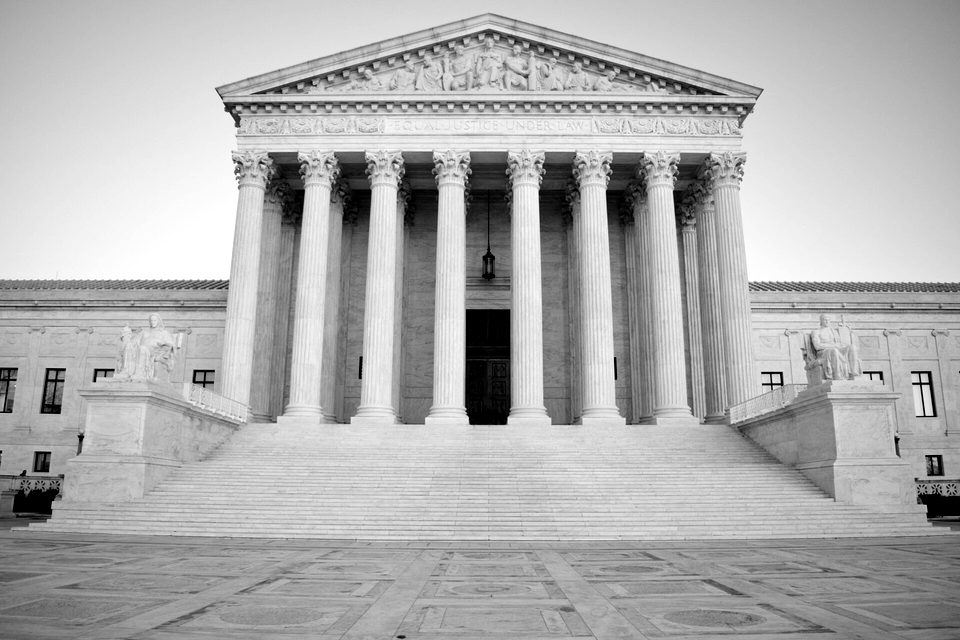

The Supreme Court heard arguments on Wednesday over whether President Trump can impose sweeping tariffs under the International Emergency Economic Powers Act, with justices across the ideological spectrum questioning the administration’s reading of a 1977 law. NBC News reported that the court has expedited the case, so a decision could come quickly.
Solicitor General D. John Sauer argued that the law’s authority to “regulate importation” includes setting import taxes, and that tariffs are an exercise of foreign-affairs and national-security power in which courts should defer to the president, CBS reported. He warned that striking the tariffs down would have catastrophic consequences. Neal Katyal, representing small businesses challenging the tariffs, said tariffs are taxes, which the Constitution assigns to Congress, and that the statute does not mention tariffs or duties.
Chief Justice John Roberts said the statute “doesn’t use the word tariff,” and suggested the major questions doctrine, which requires clear congressional authorization for decisions of vast economic importance, might apply, NBC reported. He also noted that tariffs touch foreign policy, where presidents have broad power. Justice Neil Gorsuch raised concerns about Congress handing off power over trade and warned of a “one-way ratchet” toward executive authority, CBS said. Justice Amy Coney Barrett asked Sauer to point to any other place where the phrase “regulate importation” had been used to authorize tariffs.
Justice Brett Kavanaugh was the most receptive. He questioned why a law that allows a total embargo on trade would not also allow the lesser step of tariffs, and, CBS reported, said that striking down the tariffs on Indian goods would remove a useful tool for pressuring Russia over the war in Ukraine. Barrett raised a similar point, saying Congress could authorize “weaker medicine than completely shutting down trade,” NBC reported. The court’s three liberal members, Sonia Sotomayor, Elena Kagan and Ketanji Brown Jackson, were skeptical; Sotomayor said tariffs are taxes, and Jackson said Congress meant to constrain emergency powers.
The tariffs at issue include the country-specific “reciprocal” tariffs and separate duties tied to fentanyl on Canada, China and Mexico. Steel and aluminum tariffs, imposed under other laws, are not part of the case. Customs data showed the emergency tariffs had raised about $89 billion through August, NBC reported. If the court rules against the administration, businesses would likely demand refunds, NBC said; CBS reported that Barrett was the only justice to ask about them and that Katyal called the process “difficult.”
Lower courts have ruled against the tariffs. According to CBS, a federal district court and the Court of International Trade ruled against them, and the Federal Circuit found by a 7-4 vote that many were unlawful, though the duties have stayed in place during the appeal. Trump had floated attending the argument but backed off; Treasury Secretary Scott Bessent and Commerce Secretary Howard Lutnick attended the arguments instead. Trump has warned of drastic consequences for the economy if he loses.
Supporters of the policy say tariffs give the president leverage in trade talks and protect national security; critics say the law was never meant to give any president an open-ended power to tax.
Sources
- NBC News, Nov. 5, 2025: oral argument, Roberts on major questions, Kavanaugh and Barrett, $89 billion in IEEPA tariff revenue, expedited ruling <https://www.nbcnews.com/politics/supreme-court/trump-tariffs-supreme-court-arguments-rcna241615>
- CBS News, Nov. 5, 2025: Sauer and Katyal arguments, Gorsuch and Barrett questions, refunds, appeals court ruling <https://www.cbsnews.com/news/supreme-court-trump-tariffs-arguments/>
This article was drafted with automated tools from the sources listed, checked by a review pass, and published by Daniel Varrone. Corrections: editor@monochromechronicles.com