United States · Supreme Court
Roberts’s Year-End Report Turns to 1776 and Avoids Current Court Disputes
The chief justice wrote that judges must do “equal right to the poor and to the rich” but did not address attacks on judges or pending Trump cases.
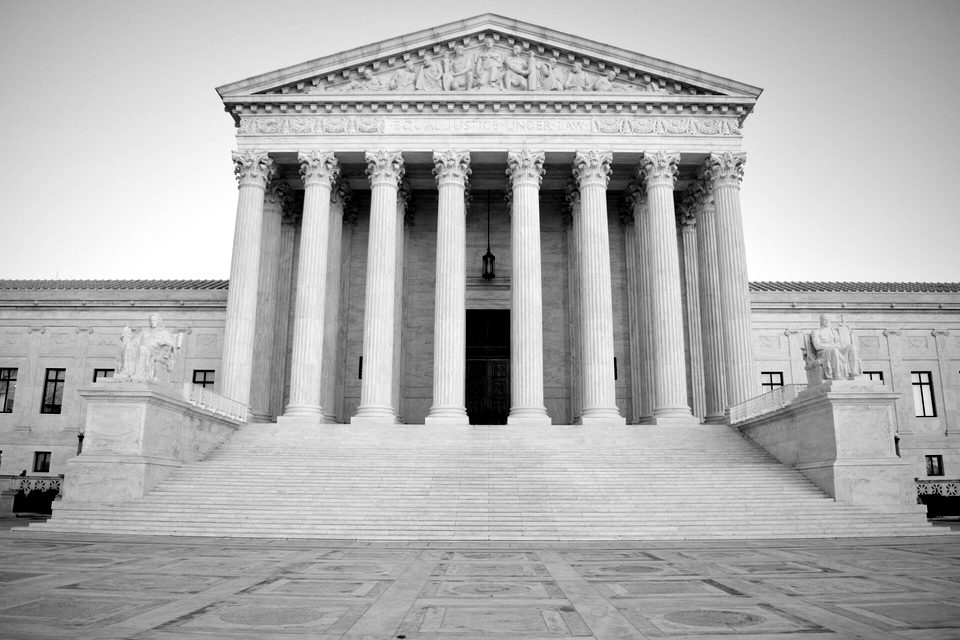

Chief Justice John Roberts released his annual year-end report on New Year’s Eve, a seven-page letter that looked to American history and steered clear of the disputes engulfing the federal courts, CBS News and NBC News reported.
NBC News described the report as focused mostly on the history of the Declaration of Independence. CBS News said it opened with a history of Thomas Paine’s 1776 pamphlet “Common Sense” and noted Roberts’s description of Paine as a “recent immigrant to Britain’s North American colonies.” CBS News reported that the letter echoed President Calvin Coolidge in saying the Constitution remains “firm and unshaken”: “True then; true now,” Roberts wrote. NBC News reported that he wrote that judges must decide cases “doing equal right to the poor and to the rich.”
The letter follows a year in which legal scholars and Democrats warned of a possible constitutional crisis as President Donald Trump and Republican allies pushed back against rulings that slowed his agenda, CBS News reported. Roberts had pushed back earlier in the year, after Trump called for the impeachment of a judge who ruled against him in a case over deporting Venezuelan migrants. “For more than two centuries, it has been established that impeachment is not an appropriate response to disagreement concerning a judicial decision,” he said. This year’s report did not directly address that issue or the rise in threats against judges, NBC News reported. Some judges have criticized Roberts and the court for not doing more to defend them.
In his 2024 report, Roberts named four threats to judicial independence: violence, intimidation, disinformation and threats to defy lawfully entered judgments, CBS News noted; NBC News said he had addressed threats and other challenges to judges that year, before Trump took office. The new letter instead cited the Senate’s rejection of the impeachment of Justice Samuel Chase because “disapproval of a judge’s decisions provided an invalid basis for removal from office,” NBC News reported; CBS News described it as an early 19th-century case establishing that Congress should not remove judges over contentious rulings.
The administration has fared well on the Supreme Court’s emergency docket, winning about two dozen rulings, both outlets reported. The court has also handed Trump defeats, including on deploying the National Guard to U.S. cities, CBS News said.
Major cases lie ahead in 2026, CBS News said, including arguments over Trump’s push to end birthright citizenship and a ruling on whether he can impose tariffs on hundreds of countries by himself. Roberts’s letter contained few references to those issues.
Sources
- CBS News, Dec. 31, 2025: the letter’s themes and quotations, Roberts’s March statement, the emergency docket record, the 2026 docket <https://www.cbsnews.com/news/supreme-court-chief-justice-john-roberts-constitution/>
- NBC News, Dec. 31, 2025: seven-page length, focus on the Declaration of Independence, “Third Branch” passage, absence of references to threats and the impeachment dispute, criticism from judges <https://www.nbcnews.com/politics/supreme-court/supreme-court-john-roberts-year-end-report-trump-threats-rcna248516>
This article was drafted with automated tools from the sources listed, checked by a review pass, and published by Daniel Varrone. Corrections: editor@monochromechronicles.com