Science · Research Funding
White House Budget Office Proposes Political Review of Federal Research Grants
Scientists and professional societies object to a proposed rule that would put political appointees in the final approval seat; the Office of Management and Budget says it is aimed at waste, fraud and abuse.
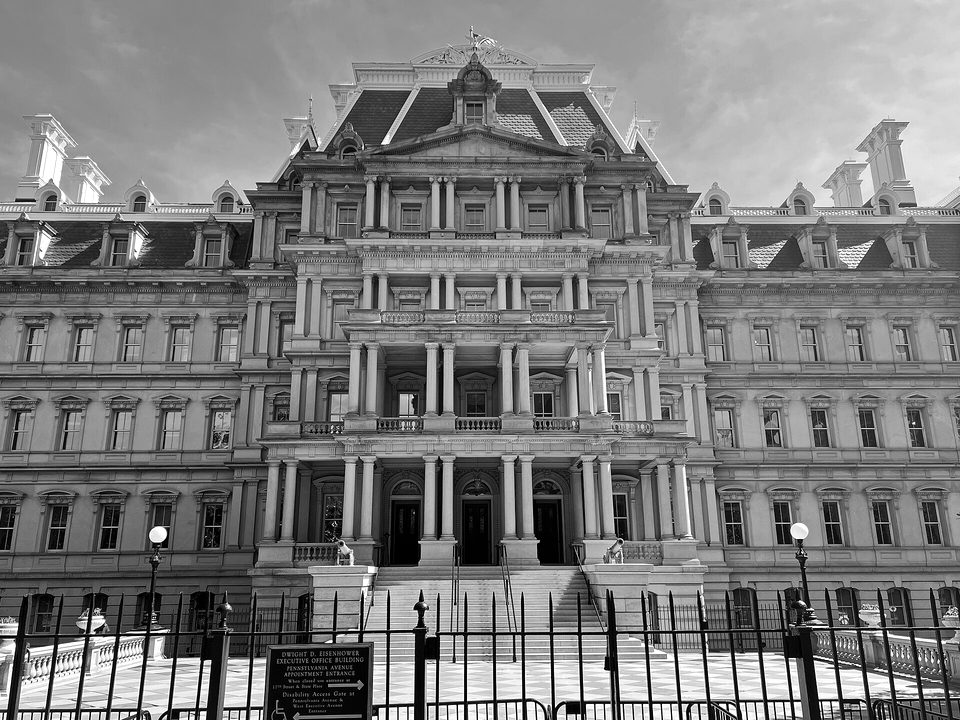

The White House Office of Management and Budget has proposed a sweeping change to how the federal government awards research grants, giving political appointees a larger role in deciding which projects get money. NPR reported that the proposal was published in the Federal Register on May 29. Scientific societies and researchers have reacted with alarm, while the budget office says the aim is to curb waste, fraud and abuse.
Under the proposal, peer review would not be eliminated, NPR reported, but political appointees, who are not necessarily scientists, would be required to review grants before awards are made. PBS NewsHour described the appointees as giving the final approval before money goes out. The new review criteria would require projects to “demonstrably advance the president’s policy priorities,” PBS reported, and would bar funding or promoting diversity, equity and inclusion programs. NPR said the proposal would also place broad prohibitions on international scientific collaboration, and that it would affect many research fields, with health and science funding the most affected.
The budget office, led by Director Russell Vought, defended the proposal. An OMB spokesperson said it would “improve the ability of agencies to identify and respond to waste, fraud, and abuse,” according to NPR. PBS quoted the office as saying that federal grants “were already politicized by the last administration to promote a far left DEI agenda” and that the rule will bring transparency and ensure taxpayer dollars are spent wisely.
Critics say the change would replace expertise with politics. “This would be the end of American science as we know it,” said Cole Donovan, a policy analyst with the advocacy group Stand Up for Science, which has been organizing against it, NPR reported. Craig McLean, a former chief scientist at the National Oceanic and Atmospheric Administration who is also associated with the group, told PBS that political appointees often lack the experience to judge scientific merit, a job that has traditionally fallen to career staff and peer-review panels, and that eliminating diversity, equity and inclusion grant-making would narrow the field of participants.
Professional groups joined in. The Infectious Diseases Society of America headlined its statement “Proposed rule would replace scientific merit with McCarthy era politics,” NPR reported. Holden Thorp, editor of the journal Science, wrote in an editorial that the administration seems “as determined as ever to mortally wound the nation’s scientific enterprise.” Elizabeth Ginexi, a former staffer at the National Institutes of Health, asked whether a budget director who is not a scientist should decide which cancer therapy is ready for a late-stage trial.
Democratic Rep. James Walkinshaw of Virginia told a forum organized by Stand Up for Science that “the question isn’t whether politics will influence research under this proposal. That’s the point.” Critics also say there is no evidence that the existing peer-review system needs such sweeping changes, NPR reported. The budget office’s answer, in the statements quoted above, is that the changes target waste and politicization of past grant-making; NPR said administration officials also argue the change serves efficiency.
Donovan told NPR that peer review panels have always been advisory to agencies and that what has typically decided awards is peer review combined with a nonpolitical career expert. The proposal is only a proposal: NPR reported that it is open for public comment until July 13, after which OMB will review the comments before deciding whether to issue a final version, and Donovan said he expects a legal challenge if it is finalized.
Sources
- NPR, June 3, 2026: Federal Register publication on May 29, appointee review, broader prohibitions, OMB spokesperson statement, Donovan, IDSA, Thorp, Ginexi and Walkinshaw comments <https://www.npr.org/2026/06/03/nx-s1-5844678/trump-science-funding-omb-budget-office-rule-change>
- PBS NewsHour, June 4, 2026: final approval by political appointees, new criteria, OMB’s stated rationale, McLean’s critique <https://www.pbs.org/newshour/show/new-proposal-would-give-trump-officials-more-control-over-scientific-research-grants>
This article was drafted with automated tools from the sources listed, checked by a review pass, and published by Daniel Varrone. Corrections: editor@monochromechronicles.com