United States · Elections
Supreme Court Rules States May Count Mail Ballots Arriving After Election Day
A 5-4 majority led by Justice Amy Coney Barrett upheld Mississippi’s five-day grace period, over a dissent by Justice Samuel Alito arguing that federal law requires ballots to be in by Election Day.
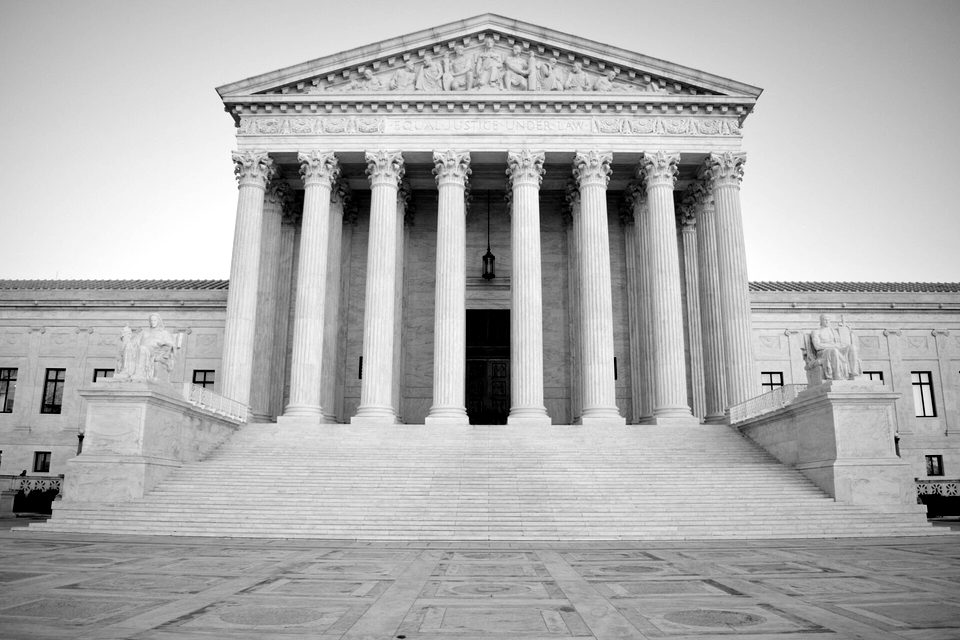

The Supreme Court ruled 5-4 on Monday that states may count mail ballots that arrive after Election Day, as long as they were cast by that day, rejecting a Republican National Committee challenge that had threatened similar rules in more than a dozen states ahead of the November midterms. The decision in Watson v. Republican National Committee reverses a ruling by the 5th U.S. Circuit Court of Appeals, according to CBS News and SCOTUSblog.
Mississippi law counts mail ballots that are postmarked by Election Day and received within five days afterward. The state adopted the rule in 2020. The RNC sued in 2024, and a similar suit by the Libertarian Party of Mississippi was later combined with it. A federal district judge in Gulfport upheld the law, but the 5th Circuit held that federal election-day statutes require ballots to be received by that day.
Justice Amy Coney Barrett, writing for the majority, called the case “a narrow one about timing.” Her opinion said the federal statutes that set the Tuesday after the first Monday in November as Election Day govern when voting ends, not when ballots must arrive. “The election-day statutes say nothing about ballot receipt,” she wrote, according to CBS News. She was joined by Chief Justice John Roberts and Justices Sonia Sotomayor, Elena Kagan and Ketanji Brown Jackson.
Barrett also wrote that “historical practice, detached from statutory text, is not controlling,” and she pointed to a federal law on military and overseas absentee ballots that assumes states set their own receipt deadlines, SCOTUSblog reported. She treated arguments about fraud and public confidence as policy questions. Concerns about them, she said, must be addressed by Congress or state legislatures rather than by the courts.
Justice Samuel Alito wrote the dissent, joined by Justices Clarence Thomas and Neil Gorsuch; Justice Brett Kavanaugh joined most of it. Alito argued that federal law requires ballots to be in by Election Day. He wrote that “under federal law, the electorate’s collective choice must still be authoritatively expressed on election day,” according to SCOTUSblog. He warned that late-arriving ballots create a “greater opportunity for fraud” and could erode public confidence in elections, CBS News reported.
The Trump administration had backed the RNC’s position, arguing that Election Day is when the ballot box closes. CBS News reported that all 50 states require ballots to be submitted by Election Day, and that 14 states and the District of Columbia accept mail ballots postmarked by that day but received later. Twenty-nine states and the District allow at least some military and overseas ballots to arrive late. The ruling leaves those rules in place for the midterms.
President Trump responded by urging Congress to pass the SAVE America Act, which would largely eliminate mail ballots and add voter identification and proof-of-citizenship requirements, CBS News reported. Mississippi Attorney General Lynn Fitch, a Republican, said the ruling affirmed federalism and urged her state’s legislature to require absentee ballots to arrive by Election Day.
The justices still have election cases on their docket. The Court is also weighing a campaign finance case on limits for coordinated spending by political parties, which remained pending as the term neared its end.
Sources
- CBS News, June 29, 2026: the 5-4 vote, Barrett and Alito opinions, Mississippi’s five-day rule, state counts, Trump and Fitch reactions, pending campaign finance case <https://www.cbsnews.com/news/supreme-court-mail-ballots-mississippi-law-watson-v-rnc/>
- SCOTUSblog, June 29, 2026: majority reasoning and quotes, Alito’s dissent and Kavanaugh joining most of it, lower-court history, parties to the suit <https://www.scotusblog.com/2026/06/justices-uphold-state-law-allowing-for-late-arriving-mail-in-ballots/>
This article was drafted with automated tools from the sources listed, checked by a review pass, and published by Daniel Varrone. Corrections: editor@monochromechronicles.com