Business · Economy
U.S. Economy Grew 1.5% in Second Quarter, Slower Than Forecast
Consumer spending and business investment rose, but government spending fell and the broadest inflation gauge climbed, according to the Commerce Department’s first estimate.
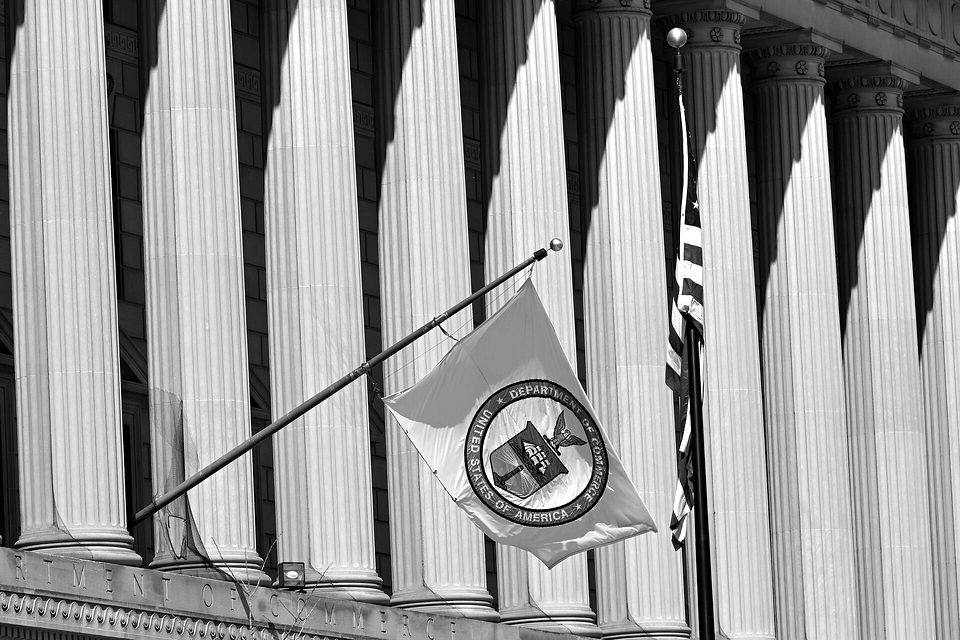

The U.S. economy expanded at a 1.5 percent annual rate from April through June, down from 2.1 percent in the first quarter and below what economists had expected, according to the Bureau of Economic Analysis. The Commerce Department agency released its first estimate of second-quarter gross domestic product on Thursday morning.
Consumer spending, which accounts for most of the economy, rose in both goods and services, the agency said. Purchases of prescription drugs, new light trucks and furniture led on the goods side, while food services and accommodations led among services. Business investment also increased, driven by equipment and intellectual property products such as software, and exports grew. Offsetting those gains, private inventory investment and construction of nonresidential structures declined, and imports, which are subtracted when GDP is calculated, rose.
Government spending was the main drag. It fell, the agency said, mainly because of a drop in federal nondefense spending, which it attributed to crude oil sales from the Strategic Petroleum Reserve. Those sales, it noted, have no direct effect on GDP. A narrower measure of underlying demand looked stronger than the headline: real final sales to private domestic purchasers, which strips out government spending, inventories and trade, rose at a 3.9 percent rate, up from 1.7 percent in the first quarter, the bureau reported. Anadolu Agency noted that the headline figure missed forecasts even as private demand accelerated.
Prices rose faster. The personal consumption expenditures price index, the Federal Reserve’s preferred inflation measure, increased at a 5.1 percent annual rate in the quarter, up from 4.6 percent in the first three months of the year, the bureau said. Excluding food and energy, the index rose 3.4 percent, down from 4.4 percent. A broader gauge of prices paid for what the country buys, the gross domestic purchases price index, climbed 5.7 percent after 3.6 percent in the first quarter. Current-dollar GDP, which does not adjust for inflation, grew 7.9 percent. The Federal Reserve said a day earlier that inflation was being held up by supply shocks, especially in energy.
The Labor Department reported separately on Thursday that initial claims for unemployment benefits were 197,000 in the week ended July 25, up 9,000 from the previous week’s revised level, according to RTTNews. Economists had forecast about 200,000. The week before had been reported at 187,000, which RTTNews described as the lowest level since September 1969.
The report lands a day after the Fed held its benchmark rate at 3.50 percent to 3.75 percent, with three officials dissenting in favor of a hike. The first estimate is preliminary and is typically revised as more data arrive. The next estimate is scheduled for Aug. 26.
Sources
- Bureau of Economic Analysis, Jul. 30, 2026: advance estimate of second-quarter GDP, 1.5 percent annual rate, components, price indexes, final sales to private domestic purchasers, next release Aug. 26 <https://bea.gov/index.php/news/2026/gdp-advance-estimate-2nd-quarter-2026>
- Anadolu Agency, Jul. 30, 2026: growth slowed to 1.5 percent and missed forecasts, private demand accelerated, price indexes <https://aa.com.tr/en/economy/us-economic-growth-slows-to-15-in-q2-below-expectations/4013947>
- RTTNews, Jul. 30, 2026: jobless claims of 197,000 for the week ended July 25, forecast of 200,000, prior week’s 187,000 <https://www.rttnews.com/3673220/u-s-weekly-jobless-claims-rebound-slightly-less-than-expected.aspx?type=gleco>
This article was drafted with automated tools from the sources listed, checked by a review pass, and published by Daniel Varrone. Corrections: editor@monochromechronicles.com