Health · Cancer Research
Merck and Moderna Say Personalized mRNA Vaccine Met Melanoma Trial Goal
A Phase 3 trial of intismeran autogene plus Keytruda reduced recurrence after surgery, the companies announced, but they have not released the size of the benefit.
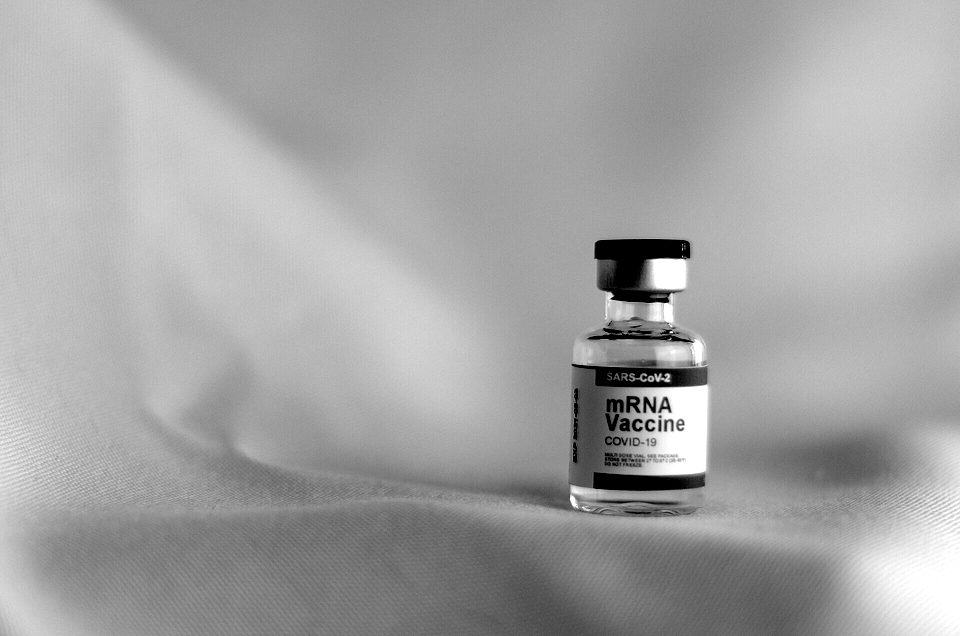

Merck and Moderna announced Wednesday that their personalized mRNA cancer treatment, intismeran autogene, combined with Merck’s immunotherapy Keytruda (pembrolizumab), met its main goal in a late-stage trial in people whose melanoma had been surgically removed. It is the first mRNA cancer treatment to show positive results in a large Phase 3 study, AFP reported.
The study, called INTerpath-001 (NCT05933577), is a randomized trial whose results were announced by the two companies that make the treatment. It compared the combination with pembrolizumab alone in adults with completely resected cutaneous melanoma at stages IIB through IV who had received no systemic therapy beyond surgery, CancerNetwork reported. AFP, citing the companies, put enrollment at 1,137 patients, about two-thirds of whom received the combination. A 2024 trial report had expected 1,089 patients randomized 2 to 1.
At a prespecified interim analysis the combination improved recurrence-free survival, the primary endpoint, and distant metastasis-free survival, a secondary endpoint, versus pembrolizumab alone, CancerNetwork said. Overall survival will be assessed in later readouts. The companies reported no new safety signals beyond what was seen with the combination before.
What is missing is the size of the benefit. The coverage reports no hazard ratios, no share of patients who relapsed in each group and no p-values, so neither the relative nor the absolute reduction in risk can yet be stated. The results come from a company announcement, not a peer-reviewed paper. Merck and Moderna said they will present the data at an upcoming medical meeting and share it with regulators.
The earlier Phase 2b trial, KEYNOTE-942, offers a guide. It reported a 49 percent lower risk of recurrence or death (hazard ratio 0.51) and a 59 percent lower risk of distant metastasis or death versus pembrolizumab alone, CancerNetwork said, citing data presented at the American Society of Clinical Oncology meeting in 2026. A Phase 2b study is smaller and less definitive than a Phase 3 trial.
CancerNetwork reported that the trial’s design, as described in its 2024 report, called for 400 milligrams of pembrolizumab every six weeks and 1 milligram of the individualized mRNA treatment every three weeks, for up to nine doses.
Independent cancer specialists greeted the news cautiously. Lennard Lee of the University of Oxford, who was not involved, called the results “very encouraging” and said the full data should be examined, AFP reported. Marco Gerlinger of Barts Cancer Institute called it “proof of principle that personalised cancer vaccines work” and a breakthrough in cancer immunotherapy, while noting that the companies’ release lacked detail.
Dr. Dean Li, president of Merck Research Laboratories, said individualized neoantigen therapies “have the potential to redefine how patients” with resected stage IIB to IV melanoma are treated, CancerNetwork reported. Georgina Long, the trial’s principal investigator, called it the first Phase 3 study to show that a patient-specific treatment based on tumor mutations can cut the risk of recurrence or death.
Sources
- France 24 (AFP), Aug. 19, 2026: first mRNA cancer drug with positive large late-stage result, 1,137 patients, two-thirds on combination, Lee and Gerlinger comments, plan to present data and file for approval <https://www.france24.com/en/live-news/20260819-merck-and-moderna-s-tailored-cancer-drug-curbs-melanoma-recurrence-in-trial>
- CancerNetwork, Aug. 19, 2026: INTerpath-001 design and eligibility, dosing, endpoints met at interim analysis, safety statement, KEYNOTE-942 hazard ratios, Li and Long statements <https://www.cancernetwork.com/view/novel-cancer-vaccine-meets-primary-secondary-end-points-in-resected-melanoma>
This article was drafted with automated tools from the sources listed, checked by a review pass, and published by Daniel Varrone. Corrections: editor@monochromechronicles.com