World · Update
Iranian Parliament Committee Backs Fees on Ships Using Strait of Hormuz
The measure would let Iran charge vessels from approved countries for services in the strait, which the United States rejects; shipping remains a fraction of its prewar level.
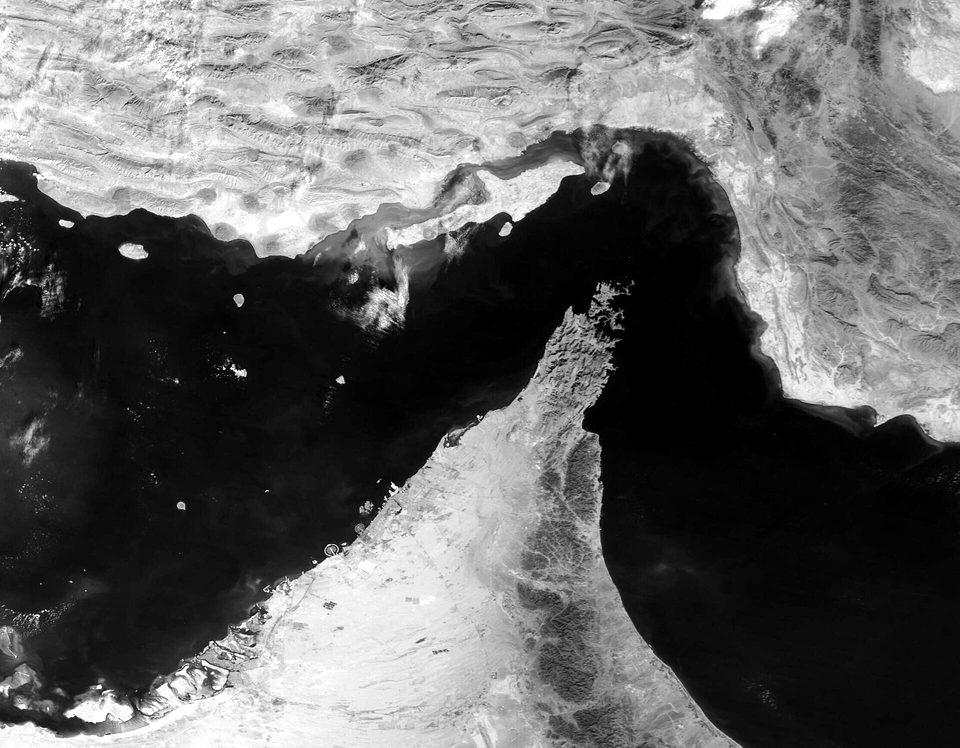

A committee of Iran’s parliament approved a provision on Sunday that would let the country charge fees to ships passing through the Strait of Hormuz, Middle East Eye reported, citing Iran’s state news agency IRNA. The National Security and Foreign Policy Commission approved Article 3 of a draft plan on the strait. The bill now goes to a vote of the full parliament and, if it passes, to the Guardian Council, which checks legislation for consistency with the constitution and Islamic principles.
The article would allow fees for services described as “maritime, environmental, fueling under special conditions, insurance, safety, and other services,” according to Middle East Eye. The committee’s spokesman, Hassan Qashqavi, said vessels from countries that are allowed to transit the strait would pay, in Iranian rials or another currency.
Passage through the strait was free before the war, Middle East Eye noted. Al Jazeera reported on Aug. 18 that Iran has effectively blocked the waterway since the war began on Feb. 28 and says it wants to charge for passage. Daily crossings are in the single digits, against more than 130 before the war, Al Jazeera said.
The United States rejects the fees. Middle East Eye reported that President Trump recently posted a map on social media labeling the strait “new US territory.” Time reported that President Trump said the U.S. naval blockade of Iranian ports remains in place.
A memorandum of understanding between Washington and Tehran meant to ease hostilities and reopen the strait expired on Aug. 17, Al Jazeera said, and Iran and Oman have been holding separate talks on future navigation arrangements. The strait normally carries about a fifth of the world’s oil and gas, according to Time, which is why a fee regime would reach beyond the region.
The proposal arrives amid other pressure on shipping. A vessel in the strait was struck by an unknown projectile on Aug. 18, damaging its engine room and causing one crew casualty, the UK Maritime Trade Operations agency said, according to Al Jazeera. Time reported that the United Arab Emirates announced it was halting trade and financial transactions with Iran until further notice.
Time also reported that Trump threatened Oman, a U.S. ally and mediator, if it “gets in the way” of American efforts to gain effective international control of the strait, while Oman and Iran have reportedly been working toward their own agreement to manage traffic.
Sources
- Middle East Eye, Aug. 23, 2026: committee approval of Article 3, fee categories, Qashqavi, process through parliament and Guardian Council, free passage before the war, Trump’s map post <https://www.middleeasteye.net/live-blog/live-blog-update/iranian-parliamentary-committee-approves-provision-charge-ships-hormuz>
- Al Jazeera, Aug. 18, 2026: effective blockade since Feb. 28, desire to charge for passage, single-digit crossings, memorandum expiry, Iran-Oman talks <https://www.aljazeera.com/news/2026/8/18/vessel-hit-by-unknown-projectile-in-strait-of-hormuz-ukmto-says>
- Time, Aug. 19, 2026: share of world oil and gas, U.S. blockade and Trump’s description of the strait <https://time.com/article/2026/08/19/uae-suspends-trade-with-iran-after-reported-missile-strikes/>
This article was drafted with automated tools from the sources listed, checked by a review pass, and published by Daniel Varrone. Corrections: editor@monochromechronicles.com