Business · Gold
Dutch Central Bank Shifts 86 Tonnes of Gold From the U.S. and Canada to London
De Nederlandsche Bank cited rising geopolitical unrest; analysts quoted by AFP say copycat moves could dent confidence in the United States.
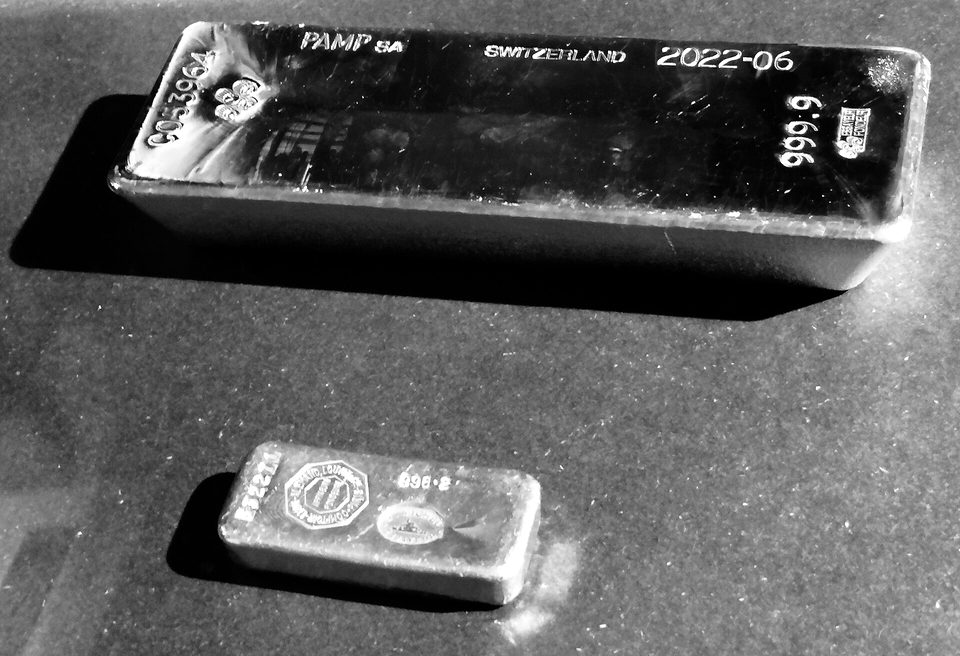

The Dutch central bank has moved 86 tonnes of gold out of storage in the United States and Canada and into London, citing what it called increasing geopolitical unrest. De Nederlandsche Bank, known as DNB, disclosed the transfer, which ran from March to August, according to AFP and the Seoul Economic Daily.
DNB’s gold holdings total 612.4 tonnes, valued at 72.2 billion euros at the end of 2025, AFP reported. Before the move, 31.3 percent was held in New York and 19.7 percent in Ottawa, with 18.1 percent in London and the rest in the Netherlands. Afterward, AFP said, the United States and Canada each hold 18.5 percent, London 32.1 percent and the Netherlands 30.8 percent. The Seoul Economic Daily reported the same London and domestic shares and said New York and Ottawa had held 313 tonnes between them.
How the gold was moved was part of the story. DNB said it combined buying, selling and physical transport. The Seoul Economic Daily said the bank first sold about 59 tonnes in New York and bought gold in London, while AFP and the Seoul paper both reported that more than 27 tonnes was physically shipped from New York and Ottawa to the Netherlands, with an equal amount moved from the Netherlands to London. The bank said spreading the operation this way reduced the risks of moving large quantities of gold and avoided melting down bars.
The stated reason is speed. DNB said gold in London is easier and faster to trade and deploy in a crisis than gold in New York or Ottawa, AFP reported. DNB President Olaf Sleijpen said the bank assumes it will never need to use the gold, but that the move strengthens resilience and preparedness. The Seoul Economic Daily cited the bank’s description of London as the center of physical gold trading and the stability of the Bank of England.
Laurent Schwartz, head of France’s National Gold Counter, told AFP that central banks have been shifting reserves for about a decade and that the U.S. political climate might push some banks toward other storage locations. John Plassard, an analyst at Cite Gestion, called the move “fairly one-off” but warned that if other central banks followed, it could damage confidence in the United States.
There are signs that not everyone is following. AFP noted that Germany’s Bundesbank has chosen not to move its reserves from New York, telling the German broadcaster ARD in January that the New York Fed “is and remains an important storage site for our gold.”
Even after the shift, the Netherlands keeps nearly a fifth of its gold in each of the two North American cities, so the change is a rebalancing, not a withdrawal. Whether other central banks reconsider where they store bullion will show whether the Dutch decision is a one-off, as Plassard suggested, or the start of a trend.
Sources
- AFP (via France 24), Sept. 2, 2026: the 86-tonne transfer, holdings before and after, DNB’s reasons, Sleijpen’s remark, analyst views, the Bundesbank’s position <https://www.france24.com/en/live-news/20260902-dutch-shift-86-tonnes-of-gold-from-us-canada-to-uk>
- Seoul Economic Daily, Sept. 2, 2026: the transfer from March to August, the shares of gold by city, how the gold was sold, bought and shipped, DNB’s reasoning <https://en.sedaily.com/international/2026/09/02/dutch-central-bank-shifts-86-tons-of-gold-to-london>
This article was drafted with automated tools from the sources listed, checked by a review pass, and published by Daniel Varrone. Corrections: editor@monochromechronicles.com