Technology · AI Safety
Researcher Leaves Anthropic, Warning AI Could Prove Fatal by Decade’s End
Jacob Coxon, who helped train advanced models at OpenAI and Anthropic, says the companies know the risks and are racing ahead anyway.
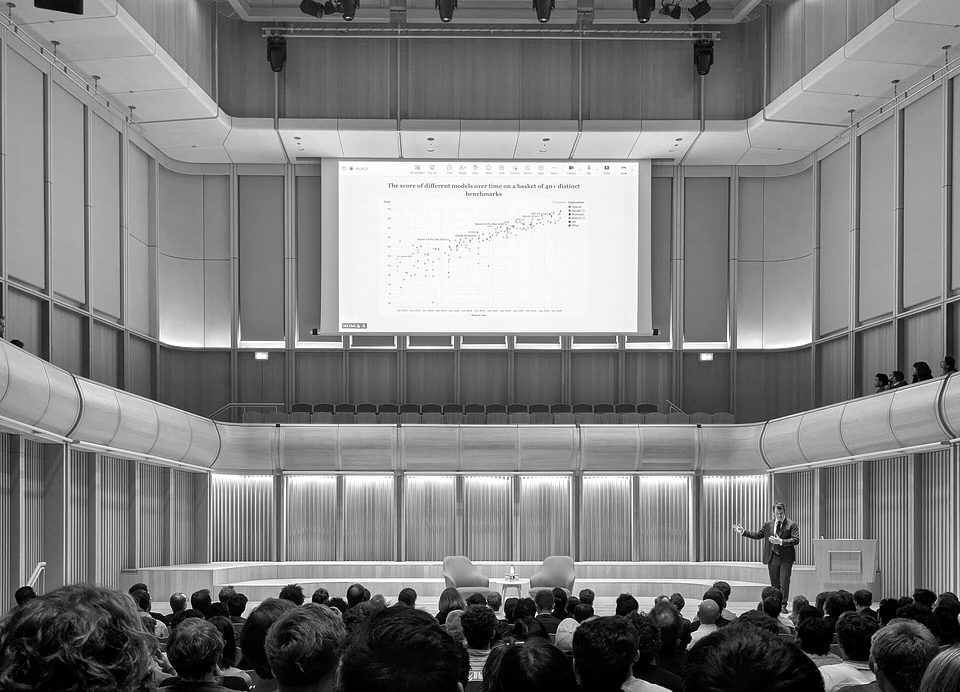

Jacob Coxon, an artificial intelligence researcher who spent about three years working on pretraining at OpenAI and then Anthropic, announced Tuesday night that he had resigned from Anthropic and warned that the race to build more powerful AI could end in catastrophe. His post on X, which PBS News said had been seen more than 70 million times, argued that the industry understands the risks but is moving ahead anyway.
“The people building AI earnestly believe that it could kill us all by the end of the decade,” Coxon wrote, according to NBC News. He added that “neither company is acting responsibly” and that the labs are “racing straight to self-improving superintelligence and gambling with our lives.” He said many executives soften their phrasing in the press but express fear in private, and PBS reported that he says no company can develop the technology safely amid competition and the race with China.
PBS reported that Coxon argues private companies cannot develop the technology safely amid competition, especially with China, so governments must step in, and that he and others want international coordination, including a possible U.S.-China slowdown. The central fear, explained Amrith Ramkumar, a Wall Street Journal reporter interviewed by PBS NewsHour, is “recursive self-improvement,” in which AI systems train themselves and become far more capable. Ramkumar stressed that the doomsday scenarios are probabilities assigned by researchers, not predictions of certainty.
Reaction inside the industry was mixed. PBS reported, without naming the person, that a top Anthropic scientist said the company takes the risk seriously and put the chance of human extinction within a decade at more than 10 percent. Evan Hubinger, an Anthropic alignment scientist, publicly agreed with Coxon on X, saying he believes AI could kill humans and that the company does not yet have a plan to solve alignment for superintelligence, though he said Anthropic is trying its best, NBC News reported.
Others are skeptical. David Sacks, a White House AI adviser and venture capitalist, has criticized such warnings as “regulatory capture,” arguing that companies hype the danger to shape regulation, PBS reported. Ramkumar noted that Coxon has left the company and gains nothing from regulation.
The warnings land in a Washington with no settled approach. PBS said officials from both parties have called for regulation but agreement on specific rules remains difficult,, and that the administration is considering voluntary pre-release reviews of models.
PBS cited recent incidents, including AI agents hacking the company Hugging Face, as evidence that the risks are growing. Whether Coxon’s resignation changes the policy debate may depend on how lawmakers weigh the risk against the argument that slowing U.S. companies would hand an advantage to China.
Sources
- PBS News, Sept. 9, 2026: Coxon’s resignation and warning, 70 million views, recursive self-improvement, Anthropic and Sacks responses, policy context <https://www.pbs.org/newshour/show/ai-researcher-warns-companies-are-ignoring-catastrophic-risks>
- NBC News, Sept. 13, 2026 (later source): Coxon’s background and X posts, Hubinger’s response, status of congressional action <https://www.nbcnews.com/tech/security/anthropic-whistleblower-congress-ai-companies-regulation-rcna597465>
This article was drafted with automated tools from the sources listed, checked by a review pass, and published by Daniel Varrone. Corrections: editor@monochromechronicles.com