United States · Elections
Supreme Court Lets Administration Keep Using Revamped Voter-Citizenship Database
In a 6-3 emergency order, the justices paused a judge’s ruling against the SAVE system, though federal law limits purges close to the Nov. 3 election.
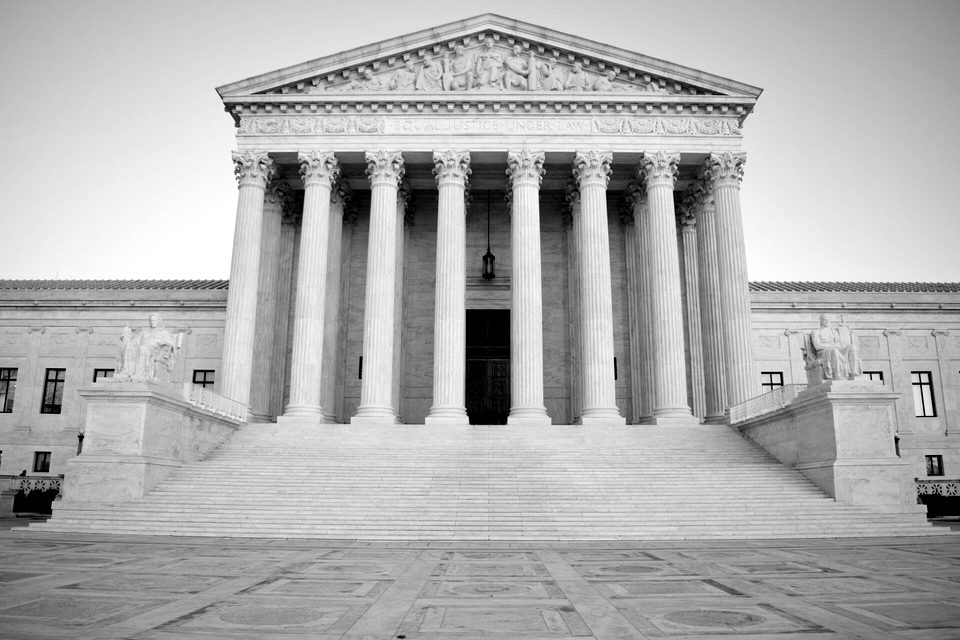

The Supreme Court on Friday allowed the Trump administration to keep using an overhauled Homeland Security database to help states check the citizenship of registered voters, pausing a lower-court ruling that had blocked it. The vote was 6-3, according to CBS News, with the court’s three liberal justices dissenting, as Al Jazeera also reported. The order stays in place while the legal challenge continues and is not the final word on the case, Al Jazeera said.
The system, known as SAVE, has existed in some form since 1986 and was used to check eligibility for certain benefits and licenses, CBS News reported. It was overhauled after a March 2025 executive order from President Trump on proof of citizenship for voter registration. The changes expanded the system to include natural-born citizens’ records, added Social Security Administration records, including Social Security numbers, and allowed bulk searches, CBS News said. States are not required to use it, and several Republican-led states have opted in voluntarily, according to Al Jazeera.
In June, U.S. District Judge Sparkle Sooknanan in Washington found that the administration “knowingly” violated Americans’ privacy rights and combined data, including citizenship data it knew to be unreliable, CBS News reported. She ruled the overhauled system and related notices contrary to law and arbitrary and capricious, and said some states removed U.S. citizens from voter rolls based on inaccurate information. The D.C. Circuit declined earlier this month to pause her order, and the administration went to the Supreme Court.
In an unsigned order, the court said the challengers’ claims “likely lack merit” and that the administration will likely win reversal of the finding that it violated federal law, according to CBS News. The order said the lower court’s block hampers federal help to state and local agencies running the midterms, and that the government must respond to state and local requests to verify voter citizenship under immigration law. Justice Ketanji Brown Jackson, in dissent, wrote that states could still use the revamped system for individualized voter-roll maintenance, CBS News reported; Al Jazeera said the dissenters argued the majority disregarded the harms the modified system has caused to lawful voters.
The administration welcomed the ruling. In filings, Solicitor General D. John Sauer argued that the judge exceeded her authority and that the plaintiffs lacked standing, and that SAVE does not disqualify voters but only tells states whether the federal government can confirm citizenship, so any harm to voters is caused by states, CBS News reported. In court filings the administration also cited a “clear congressional directive to break down information silos between government agencies” and said improper removals of voters were rare. The Department of Homeland Security cheered the decision as a “victory for election integrity,” and its general counsel, James Percival, said it was “remarkable that we had to file an emergency petition in the Supreme Court just so we can use government data to stop noncitizens from voting illegally.”
The League of Women Voters, the Electronic Privacy Information Center and five individuals who sued called the order “profoundly disappointing” and said the case is not over, CBS News reported. They argue that consolidating sensitive records from several agencies is unlawful, that Congress has not authorized a federal master citizenship database, and that some members’ registrations were wrongly canceled. Al Jazeera reported that a Travis County, Texas, election official found up to 25% of people flagged there as non-citizens were in fact U.S. citizens. It also noted that Mr. Trump has long claimed widespread voter fraud without evidence and that evidence suggests noncitizen voting is rare.
The practical effect on the midterms is likely limited. Federal law generally bars states from systematically removing voters within 90 days of an election, and the Nov. 3 general election is less than 40 days away, according to CBS News and Al Jazeera. Al Jazeera added that it was not immediately clear whether the ruling would meaningfully affect the vote.
Sources
- CBS News, Sept. 25, 2026: 6-3 order, SAVE background and overhaul, June ruling by Judge Sooknanan, Sauer and Percival statements, plaintiffs’ response, 90-day rule <https://www.cbsnews.com/news/supreme-court-trump-save-database-voter-citizenship/>
- Al Jazeera, Sept. 25, 2026: emergency order, liberal justices’ dissent, voluntary state use, Travis County finding, 90-day rule and midterm effect <https://www.aljazeera.com/news/2026/9/25/us-top-court-allows-trump-to-use-controversial-voter-verification-system>
This article was drafted with automated tools from the sources listed, checked by a review pass, and published by Daniel Varrone. Corrections: editor@monochromechronicles.com