Technology · U.S.-China
U.S. and China Agree to AI Incident Channel as Xi’s State Visit Ends
The White House says the two governments will set up a communication line for AI incidents, with a dialogue in November; the summit produced no major breakthroughs, analysts said.
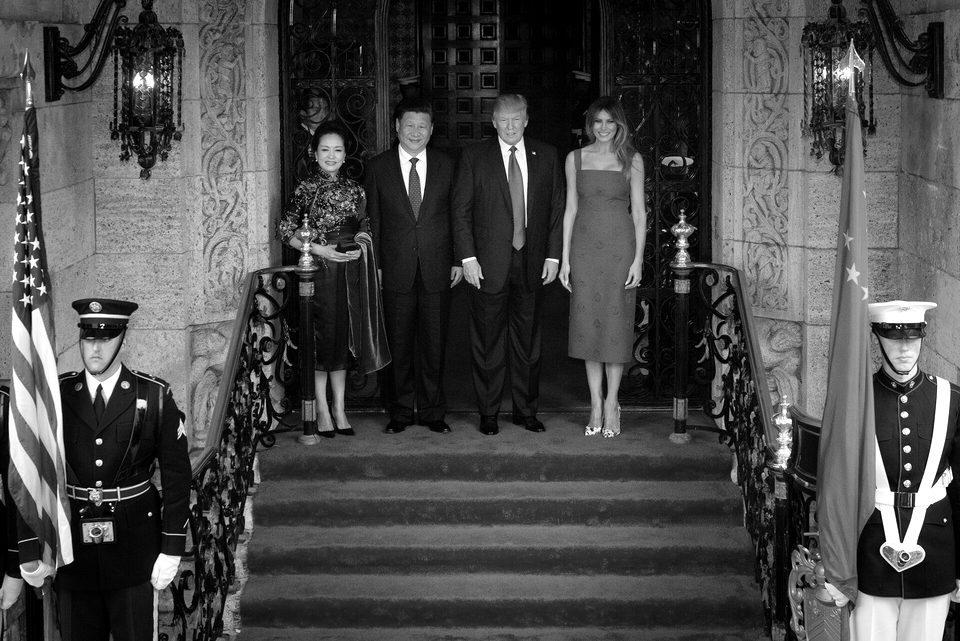

The United States and China agreed to set up a communication mechanism for artificial-intelligence incidents at the close of Chinese President Xi Jinping’s three-day state visit to Washington, the White House said. CBS News, citing the AP, reported that the channel is meant to discuss AI-related risks and benefits, with an AI-specific dialogue scheduled for November. Al Jazeera described the arrangement as a “bilateral communication channel” for AI incidents and reported that Beijing had not commented when its article was published.
The two leaders agreed to use the term “super intelligence” instead of “artificial intelligence,” the White House said, according to CBS News. President Trump said the United States will not slow its AI efforts and would rather not share its work, saying the country is “leading by at least a year,” the network reported. Mr. Xi called for “healthy competition” and said the two countries, as “leading nations in artificial intelligence,” share responsibility for developing and managing the technology for good, Al Jazeera reported.
The sides also agreed to sign a memorandum of understanding on crisis communications between their militaries, according to China’s Foreign Ministry, which CBS News said issued a one-page readout light on details.
On trade, the leaders extended a truce for two months, CBS News reported, and Al Jazeera said it had been due to expire in November, pushing the deadline to January. Both sides will keep working on reducing reciprocal tariffs on roughly $30 billion in goods, mainly non-sensitive items such as farm products and holiday decorations, CBS News said. China agreed to import at least 10 million metric tons of U.S. coal in each of 2027 and 2028. A Board of Trade focused on selected bilateral issues, which the White House said began operating this week, will continue, and a new Board of Investment will address barriers and opportunities. Work continues on U.S. concerns over rare-earth supplies, with the goal of returning shipments to appropriate levels, and the United States welcomed China’s new export controls on two more fentanyl precursor chemicals, CBS News reported.
Both governments urged Iran to honor its pledge not to develop nuclear weapons and said no country should charge tolls on international waterways, an apparent reference to the Strait of Hormuz, CBS News said. Xinhua reported that Mr. Xi urged Mr. Trump to “handle the Taiwan issue prudently,” according to Al Jazeera. Two giant pandas are set to go to a U.S. zoo, the outlet added.
Analysts were measured about the results. CBS News said they described the summit as producing no major breakthroughs, though working groups could help prevent disputes from escalating. Al Jazeera’s Alan Fisher said the visit had more ceremony than substance, and that continued dialogue was “perhaps the biggest deliverable.” No critic of the AI channel itself was quoted in either outlet’s report.
The leaders will meet again at the APEC summit in Shenzhen, China, in November and at the G20 summit at the Trump National Doral Miami golf club later in the year, according to the reports.
Sources
- CBS News (via AP), Sept. 26, 2026: AI incident mechanism and November dialogue, terminology, Trump’s remarks, military memorandum, trade and coal commitments, boards, analysts <https://www.cbsnews.com/news/trump-xi-us-china-ai-trade-summit/>
- Al Jazeera, Sept. 26, 2026: bilateral AI channel, Xi’s remarks, truce deadline, tariff cuts on $30 billion, pandas, Taiwan, Fisher’s assessment <https://www.aljazeera.com/news/2026/9/26/china-us-to-open-ai-communication-channel-after-summit-white-house-says>
This article was drafted with automated tools from the sources listed, checked by a review pass, and published by Daniel Varrone. Corrections: editor@monochromechronicles.com