Opinion · Editorial
The Power of the Purse Should Not Expire at the End of September
The White House’s latest pocket rescission lets approved money run out before Congress can vote. Lawmakers of both parties should close the loophole before it becomes routine.
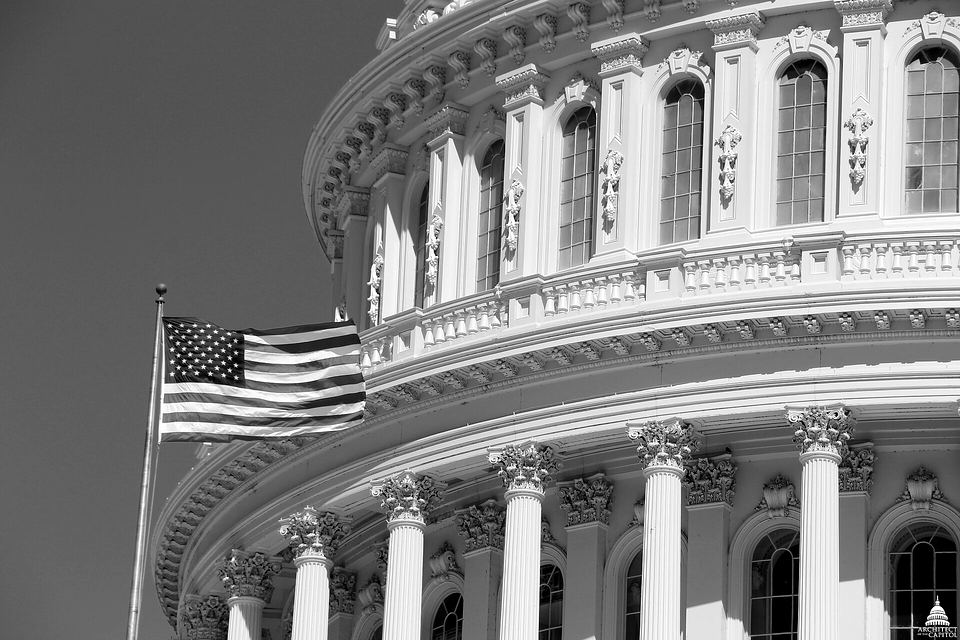

Every year Congress passes spending laws, and every year the president signs them. That bargain is the core of how the country governs itself: the legislature decides what the government will pay for, and the executive carries it out. The White House’s decision to cancel about $810 million in approved spending by letting the money run out at the end of the fiscal year is an attempt to rewrite that bargain without a single vote.
The maneuver is called a pocket rescission. A 1974 law, the Impoundment Control Act, lets a president ask Congress to cancel money he does not want to spend, and gives lawmakers 45 days to agree. The administration sent its request on Sept. 25, five days before the fiscal year closes on Sept. 30. Whatever Congress thinks of the request, it cannot finish the review the law describes before the money expires. The design is the point.
The targets tell their own story. More than half a billion dollars would come out of services for refugees and asylum seekers, along with money for international education and housing counseling. These are programs with few powerful defenders, which makes them easy to cut quietly. But the principle does not depend on the program. A president who can erase spending he dislikes in the final week of September can do it to veterans’ clinics, disaster aid or highway money next year.
This is not a partisan complaint. Sen. Susan Collins, the Maine Republican who chairs the Senate Appropriations Committee, called the cancellation a clear violation of the law and said the budget office appeared to have deliberately sat on the money for months. The Government Accountability Office, Congress’s nonpartisan watchdog, has said pocket rescissions are illegal. When the Republican in charge of writing the spending bills and the government’s own auditors agree, the problem is not politics.
The administration’s best argument deserves a fair hearing. Presidents of both parties have complained that Congress funds programs that are outdated or wasteful, and the White House says refugee money in particular exceeds what is needed. It also notes that the Supreme Court allowed last year’s $4.9 billion pocket rescission to proceed. Those are real points. But the remedy for spending a president considers wasteful already exists: send Congress a rescission request early enough for it to vote, and persuade a majority. The objection here is not to cutting spending; it is to cutting it in a way designed to avoid a decision.
Concentrated power rarely arrives all at once. It accumulates through precedents that seem small, a few hundred million dollars here, a technicality there, until the exception becomes the practice. If pocket rescissions survive unchallenged two years in a row, future presidents of either party will treat the last weeks of every fiscal year as a window for unilateral cuts.
Congress has the tools to stop that. It can write explicit language into spending bills barring late-year rescissions, require that the funds remain available while a request is pending, and strengthen the GAO’s hand in enforcing the impoundment law in court. Members who believe in their own institution, whatever they think of refugee programs, should support those fixes now, before the next September arrives.
Sources
- NBC News, Sept. 26, 2026: $810 million pocket rescission; $547 million for refugee assistance plus international education and housing counseling cuts; 45-day review rule; letter sent Friday before the Sept. 30 fiscal year end; Collins calling it unlawful and saying OMB held funds for months; White House calling the cuts harmful and refugee funding overfunded; GAO calling pocket rescissions illegal; Supreme Court siding with the administration on last year’s $4.9 billion
- CBS News, Sept. 25, 2026: Impoundment Control Act mechanism and 45 legislative days; $567 million for refugee and migrant services; Collins calling it a clear violation of the law; GAO view; last year’s $4.9 billion cancellation and the Supreme Court allowing it without a final ruling on the merits; White House statement on wasteful spending
This editorial was drafted with automated tools from the sources listed, checked by a review pass, and published by Daniel Varrone. Corrections: editor@monochromechronicles.com