Opinion · Editorial
A Foreign Government’s Promise Is Not a Hearing
The Supreme Court has let third-country deportations restart before deciding whether they are lawful. Until it rules, the burden of the court’s caution falls on the people with the most to lose.
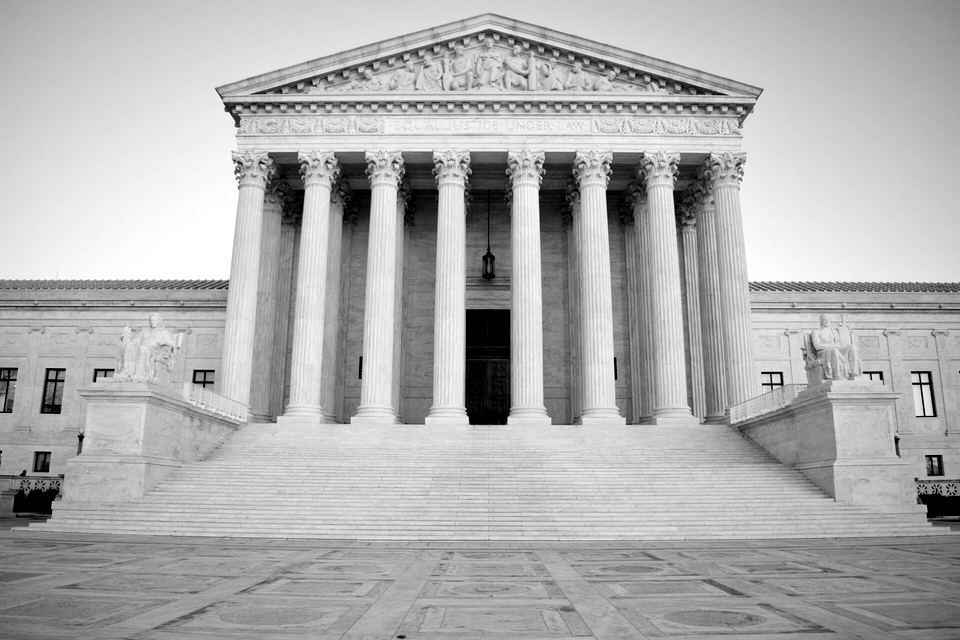

The Supreme Court did two things on Tuesday, and they point in opposite directions. It agreed to hear, in December, the serious legal questions raised by the administration’s policy of deporting migrants to countries where they are not citizens and may have no ties. And in the same order it allowed those deportations to resume in the meantime, setting aside a lower-court ruling that required little more than notice and a fair chance to object.
That sequence gets the stakes backward. If the justices ultimately decide the policy is lawful, a few more months of hearings will have cost the government time and money. If they decide it is not, some of the people removed in the interim will have been sent to places they never had a chance to warn a judge about, and no later opinion can bring them back. When one kind of error can be corrected and the other cannot, courts usually choose the correctable one.
It is worth being clear about what the lower courts actually required. They did not order anyone released from detention. They did not ban third-country removals. They said that before officials put someone on a plane to a country that is not their own, the person should be told where they are going and given a meaningful opportunity to say they fear torture or persecution there. Federal law already forbids sending people to a country where they are likely to be persecuted. A hearing is simply how anyone finds out whether that law is being followed.
The administration’s answer is that individual hearings are unnecessary because the receiving countries have given blanket assurances that deportees will not be mistreated. Those assurances deserve some weight, but they are promises made by governments to win favor with Washington, about people those governments did not choose to receive. The policy has sent people to countries including South Sudan, and deportees sent to Liberia said they learned their destination only hours before or during the flight. A diplomatic note is no substitute for a person’s chance to explain, before a neutral decision-maker, why a particular place is dangerous for them.
The government’s strongest argument deserves a fair hearing of its own. Some of the people it wants to remove have criminal records, and the lower-court order forced officials to cancel a flight carrying about 70 migrants to three countries. An immigration system that cannot carry out final removal orders loses public trust, and the administration is right that the country needs a functioning way to deport people who have no legal right to stay.
But the remedy for that problem is a faster, fair process, not the elimination of process. Notice and an opportunity to be heard are among the oldest guarantees in American law, and they do not disappear because the person seeking them is not a citizen. The administration says it will not immediately deport people who lack assurances against torture or persecution; a hearing is the only way to test whether that pledge is being kept in each case.
This order also fits a troubling pattern. The court has repeatedly used its emergency docket, with brief unsigned orders and little explanation, to let contested executive actions take effect long before the justices decide whether they are legal. Three justices would have kept the safeguards in place. The rest owe the public, and the people now facing removal, a full argument and a written ruling as quickly as the calendar allows.
Until then, Congress has the power to write the notice-and-hearing requirement into statute in plain terms. Whatever one thinks of the pace of deportations, a country confident in its laws should be willing to let a judge hear a person out before sending them somewhere they have never been.
Sources
- NBC News, 2026-09-29: Supreme Court granted emergency stay and will hear arguments in December; lower-court rulings did not require releases or bar third-country removals if people can object; federal law barring removal to likely persecution; administration’s reliance on country assurances and pledge not to deport those without assurances; deportations to South Sudan; canceled flight of 70 people; Sauer’s logistical arguments; three liberal justices dissented
- CBS News, 2026-09-29: Sotomayor, Kagan and Jackson would have denied the request; December arguments on federal law, due process and regulations; March 2025 policy of blanket assurances; deportees in Liberia learned destinations hours before or during flights; canceled flight to three countries with 70 migrants, some with criminal records; administration’s efficiency argument
This editorial was drafted with automated tools from the sources listed, checked by a review pass, and published by Daniel Varrone. Corrections: editor@monochromechronicles.com