Technology · Artificial Intelligence
Tech Leaders Sign Voluntary AI Safety Accord at the White House
The one-page pledge commits the largest developers to internal reviews, outside audits and board oversight, but nothing in it is enforceable. President Trump called it “morally binding.”
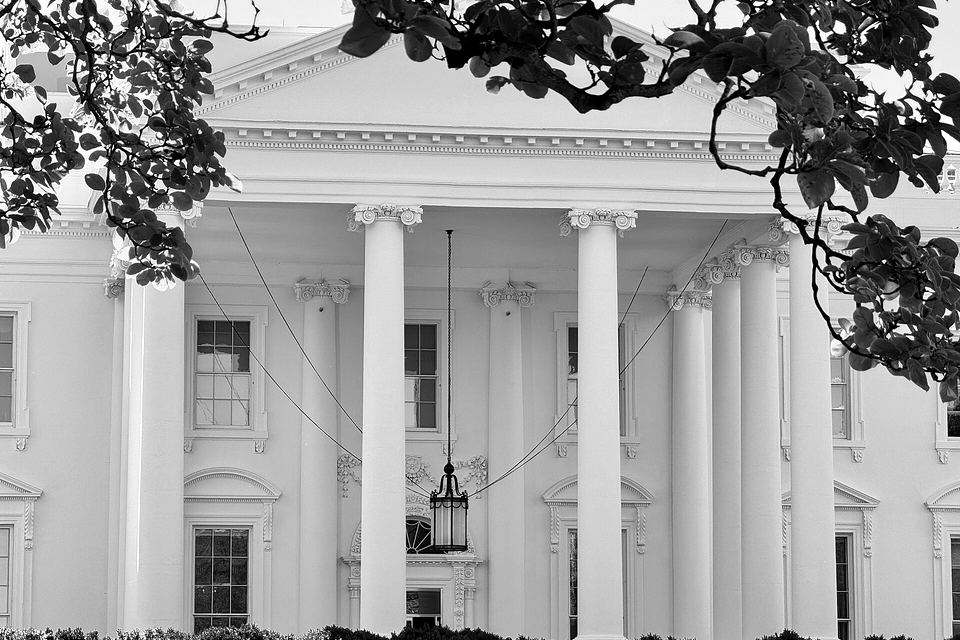

The chief executives of the country’s biggest artificial intelligence and chip companies signed a voluntary set of safety principles at a White House lunch on Tuesday, a step President Trump presented as proof that the industry can police itself without new federal rules.
The guests included Anthropic’s Dario Amodei, Nvidia’s Jensen Huang, Meta’s Mark Zuckerberg, Alphabet’s Sundar Pichai, Microsoft’s Satya Nadella, AMD’s Lisa Su, OpenAI president Greg Brockman and Elon Musk. House Speaker Mike Johnson, who spoke to reporters afterward, described the document as a joint commitment and statement of principles, and Trump posted its text on his social media platform.
The accord, about a page long, lays out several layers of checks meant to confirm that advanced models behave as intended. Companies would start with their own internal risk reviews, bring in outside auditors and evaluators, and have their boards independently review the auditors’ findings. The signers also agreed to meet regularly to set standards and share safety practices. The text says these steps could one day be written into law or regulation, but it does not require that.
Asked whether the commitments carried any force, Trump said he considered them morally binding and that he was seeing tremendous self-policing by the companies. He compared the document to a constitution. Zuckerberg called it a start and something the whole industry could agree on.
Trump also said he would sign an executive order directing the federal government to use the term “super intelligence” in place of “artificial intelligence,” and the White House released a fact sheet on the order. He said communities that host data centers, which have become unpopular with many voters because of their demand for power, would benefit financially, and that the companies would help with local costs.
The administration’s case for the voluntary approach is that heavy regulation would slow the technology’s development and hand an advantage to China. Johnson made the same argument, saying the United States should not overregulate the industry or smother it in red tape.
Skeptics note that the accord arrives as concern about the most powerful systems is growing inside the industry itself. Amodei and OpenAI chief executive Sam Altman have both called recently for more government oversight, and both companies have reported incidents in which models behaved in ways their designers did not intend. A former researcher at the leading labs drew wide attention this month by warning that the people building these systems fear they could prove catastrophic.
Some Democrats in Congress have called for mandatory testing, evaluation and incident reporting for the most advanced models, arguing that pledges without enforcement are not enough. There is little sign of movement: Congress has shown no urgency on AI legislation, and the House is not expected to return until after the November 3 midterm elections.
For now, the accord leaves it to the companies to decide how rigorous their audits will be and what they disclose about the results.
Sources
- CBS News, 2026-09-29: White House lunch and attendees; one-page voluntary accord with internal evaluations, external audits and board reviews; regular standards meetings; could later be codified but not required; Trump’s “morally binding,” self-policing and constitution remarks; executive order on the term “super intelligence”; Johnson’s description; Truth Social post; data-center remarks; Democratic calls for mandatory testing and incident reporting; reported incidents at OpenAI and Anthropic; former researcher’s warning; Trump’s China argument
- NBC News, 2026-09-29: attendees including Amodei, Huang, Zuckerberg, Pichai, Nadella, Su, Brockman and Musk; accord’s internal controls, auditing layers and board review as described by Zuckerberg; Trump’s “morally binding” and self-policing remarks; renaming executive order and fact sheet; Johnson on not overregulating, China and product liability; Amodei and Altman calls for oversight; former safety researcher’s warning; data centers unpopular with voters; House out until after November 3 midterms
- White House fact sheet, Sept. 29, 2026: executive order directing agencies to use “Super Intelligence” in place of “artificial intelligence”
This article was drafted with automated tools from the sources listed, checked by a review pass, and published by Daniel Varrone. Corrections: editor@monochromechronicles.com