Technology · Privacy
Judge Calls Flock License-Plate Network ‘Indiscriminate Mass Surveillance’
An Oklahoma judge ruled that a deputy’s warrantless search of the camera network violated the Fourth Amendment and threw out the evidence. Flock says the decision is an outlier and expects it to be reversed.
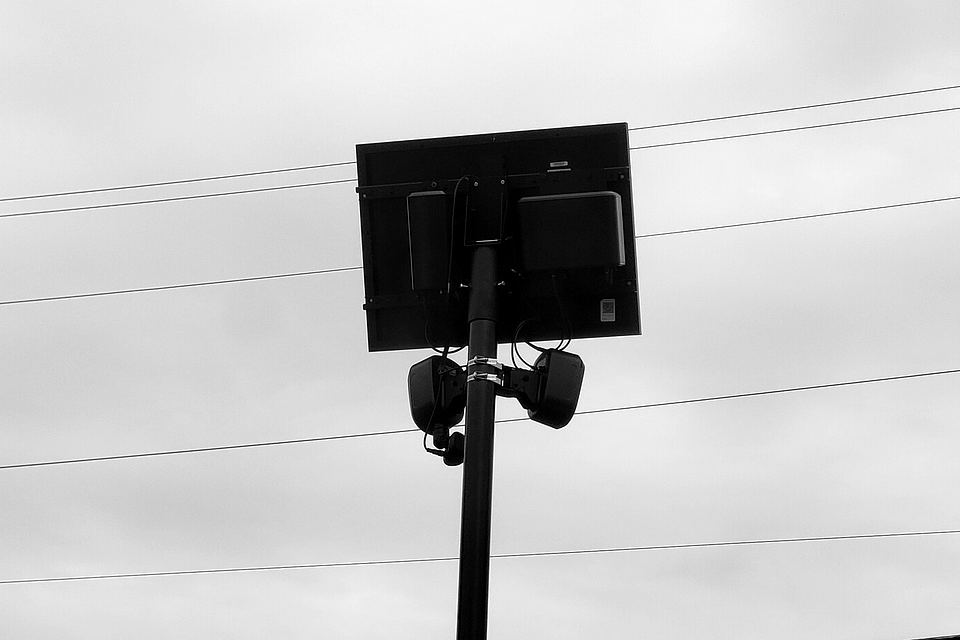

A federal judge in Oklahoma has ruled that a sheriff’s deputy violated the Constitution when he searched the Flock license-plate camera network without a warrant, in what TechCrunch described as one of the first times a federal judge has found such a search unconstitutional.
Judge Sara Hill found that a Tulsa County deputy had no apparent reason to run a driver’s plate through Flock’s automated license plate reader system other than the fact that the car had California plates, according to TechCrunch and 404 Media. The deputy used the resulting travel history, which 404 Media reported included more than 50 records of the driver’s whereabouts around the country over a month, to question her and justify searching the car, where officers said they found a large quantity of methamphetamine. Hill ordered all evidence from the Flock search and the car search suppressed.
The ruling went further than the facts of one traffic stop. Hill wrote that tracking someone’s location in public becomes constitutionally problematic when police can indiscriminately and passively catalog a person’s movements, and she called Flock’s system a type of indiscriminate mass surveillance, both outlets reported. Flock’s cameras collect information on every vehicle that passes and make it available to police on demand, she noted, and she argued that earlier court decisions upholding such searches had not accounted for how widespread the network has become.
Flock, whose cameras are used by police departments across the country, pushed back. A spokesperson told 404 Media that the company was not a party to the case, that the ruling goes against the overwhelming weight of authority in similar cases, that it is limited to the specific facts and that the company expects it to be appealed and reversed. The decision is not binding on other courts.
That argument carries weight. Courts have generally treated what a person does on public roads as exposed to view, and Flock’s spokesperson described license-plate readers to 404 Media as important public safety technologies.
Privacy advocates see the ruling as a sign that judges are rethinking how old rules apply to new tools. The Institute for Justice, which 404 Media said is litigating several cases involving Flock on Fourth Amendment grounds, praised the opinion; one of its lawyers, Michael Soyfer, told 404 Media that courts have been far too narrow in their view of the technology. According to audit logs reviewed by 404 Media, police run more than 100,000 warrantless Flock searches a month.
The company faces mounting pressure on other fronts. TechCrunch reported that Florida and Texas have said they will stop using Flock and that Senator Bernie Sanders has introduced a bill that would bar federal agencies from using automated license plate readers like it. Flock’s chief executive, Garrett Langley, has called for a compromise between privacy and public safety.
For now, the Oklahoma decision is one judge’s view. But if appeals courts embrace its reasoning, police across the country could need a warrant before searching a network that quietly records where millions of Americans drive.
Sources
- TechCrunch, October 3, 2026: Judge Sara Hill’s ruling in Tulsa; warrantless Flock search based on a California plate violated the Fourth Amendment; evidence suppressed; ‘indiscriminate mass surveillance’ quote; one of the first such federal rulings; not binding; Florida and Texas moves; Sanders bill; Langley’s call for compromise
- 404 Media, October 2, 2026: Details of the stop and more than 50 location records; ruling’s reasoning on network scale and precedent; Flock spokesperson’s response; Institute for Justice lawyer Michael Soyfer; audit logs showing more than 100,000 warrantless searches a month
This article was drafted with automated tools from the sources listed, checked by a review pass, and published by Daniel Varrone. Corrections: editor@monochromechronicles.com