Nation · Midterms
Judge Strikes Down Justice Department Policy of Checking Voter Rolls
In a 78-page ruling, a federal judge in Washington said the policy broke privacy and administrative law, relied on unreliable records and had already removed citizens from the rolls.
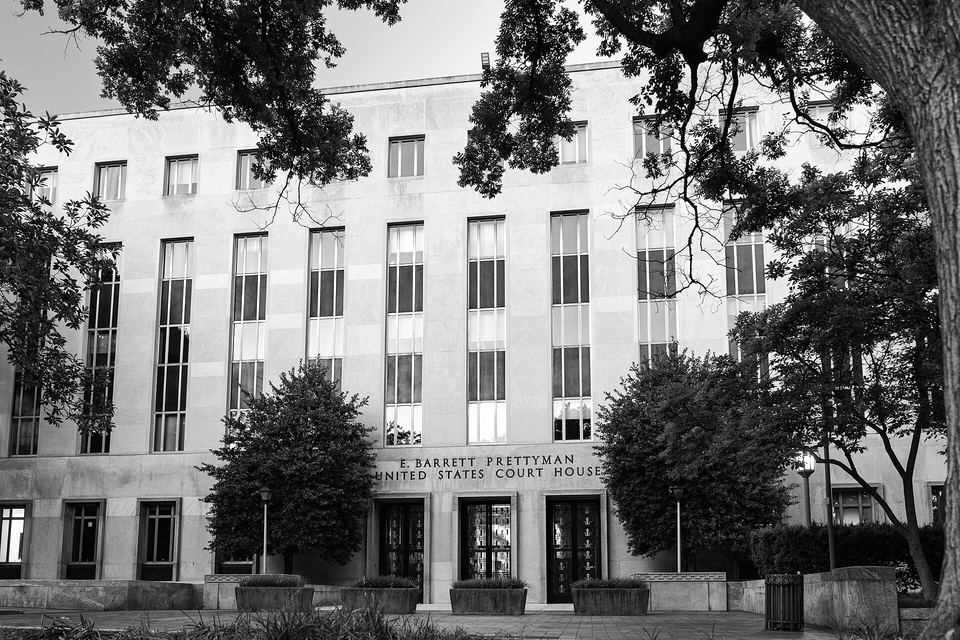

A federal judge in Washington on Friday struck down the Justice Department’s policy of collecting states’ voter rolls and running them against a federal immigration database, ruling that the effort was unlawful and risked stripping eligible citizens of their right to vote weeks before the midterm elections.
In a 78-page opinion, Judge Sparkle Sooknanan of the federal district court in Washington found that the department lacked the authority to demand voter lists, compare them with citizenship records and press states to remove people it deemed ineligible. She also held, according to CBS News, that the policy violated the Administrative Procedure Act and the Privacy Act. Congress, she wrote, left the job of maintaining voter rolls with the states, and the policy amounted to the federal government trying to decide who gets to vote.
The judge wrote, CBS News reported, that the policy had already removed American citizens from the rolls in their home states and threatened to disenfranchise many more. She faulted the department for failing to weigh the risk that citizenship records known to be unreliable would lead it to demand the removal of citizens, and, according to the Guardian, she cited two people who had been wrongly dropped from their state’s rolls after being misidentified as noncitizens. Al Jazeera reported that the database in question, known as SAVE, can contain outdated records that misidentify naturalized citizens.
Sooknanan was careful to say what the ruling does not do. It does not stop the federal government from taking lawful steps to help states keep accurate rolls and does not prevent states from maintaining their own lists.
The Justice Department requested complete voter files from states in May, including, the Guardian reported, names, birth dates, addresses and partial Social Security or driver’s license numbers. About 18 states, mostly led by Republicans, complied. The department sued many of the rest and has lost nearly all of those cases; Al Jazeera counted suits against 30 states and the District of Columbia, 26 of which have been dismissed. The ruling covers files the department already holds as well as those still in litigation, CBS News reported.
The lawsuit was brought by the watchdog group Common Cause and individual voters. Its chief executive, Virginia Kase Solomón, called the decision a victory for voters and another loss for the Justice Department, CBS News reported. A department spokesperson said it was reviewing the ruling.
The administration argues, according to CBS News, that federal checks are needed to make sure states comply with the Help America Vote Act and the National Voter Registration Act and to keep noncitizens off the rolls. Most election experts say noncitizen voting and fraud are extremely rare.
The practical effect before November 3 may be limited. Federal law already bars states from systematically purging voter lists within 90 days of a federal election. Sooknanan ruled against the administration on the expanded SAVE database in June, a decision the Supreme Court temporarily paused last month, so further appeals are likely.
Sources
- CBS News, Oct. 9, 2026: 78-page ruling by Judge Sooknanan, quotes on authority and disenfranchisement, Administrative Procedure Act and Privacy Act findings, 18 states complied, department’s losses in suits, scope covering files already received, Common Cause and DOJ statements, administration’s HAVA and NVRA rationale, experts on rare fraud, 90-day rule, June SAVE ruling and Supreme Court pause
- The Guardian, Oct. 9, 2026: policy unlawful, May request for voter data and the personal information handed over, unreliable citizenship records, two voters wrongly removed, Common Cause statement
- Al Jazeera, Oct. 9, 2026: SAVE database inaccuracies and naturalized citizens, 18 mostly Republican-led states complied, suits against 30 states and DC with 26 dismissed, 90-day purge limit
This article was drafted with automated tools from the sources listed, checked by a review pass, and published by Daniel Varrone. Corrections: editor@monochromechronicles.com