Health · Medicine
As GLP-1 Use Soars, Lawsuits Press How Common Serious Side Effects Are
Thousands of patients say drugmakers failed to warn them about rare harms, including a form of vision loss. The companies say the cases lack merit, and regulators are still studying the risk.
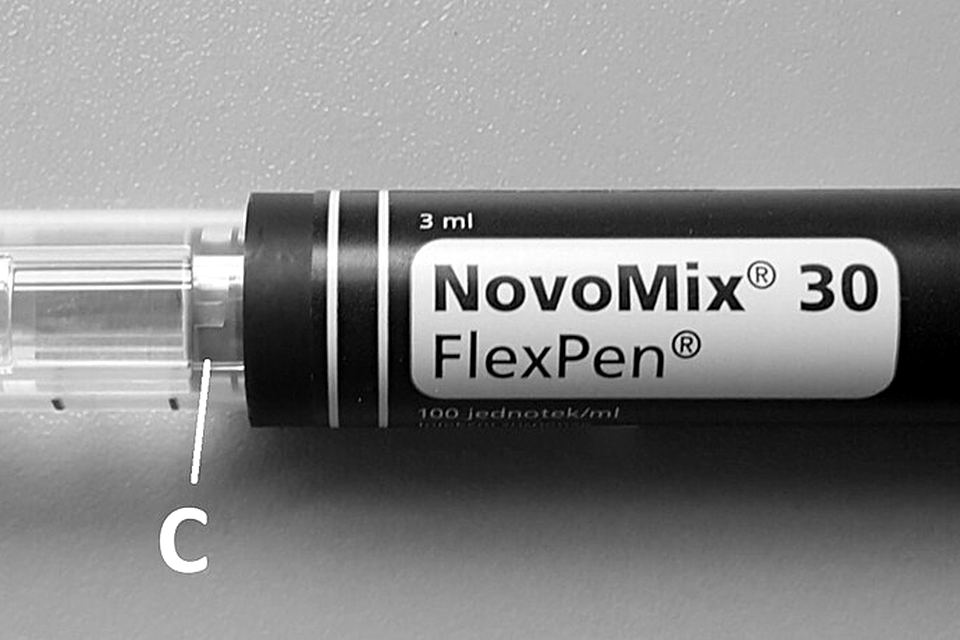

The weight-loss and diabetes drugs known as GLP-1s have become one of the most widely used classes of medicine in the country, and a growing pile of lawsuits is forcing a hard question into court: how often do the rare but serious side effects actually happen? Thousands of patients have sued drugmakers, arguing that they were not adequately warned about the risks, PBS NewsHour reported. NPR found that the evidence available to answer that question is thin.
Estimates of use vary, but they are large. A recent Gallup analysis cited by NPR found that more than one in ten Americans are taking a GLP-1 drug for weight loss, and PBS NewsHour put the figure at roughly one in eight. Most side effects are familiar and manageable, including nausea, vomiting and diarrhea, along with the loss of some muscle mass alongside fat.
The lawsuits focus on rarer problems. One is a form of optic nerve damage called NAION, caused by a sudden loss of blood flow to the eye, which can leave patients partly or fully blind. Two large consolidated federal cases include 247 plaintiffs with NAION and more than 4,000 who say they developed serious digestive conditions such as pancreatitis or gallstones, according to the lead court-appointed attorney, Jonathan Orent, who spoke to NPR.
Drugmakers dispute the claims. Novo Nordisk, which makes Ozempic and Wegovy, told NPR that NAION and other serious conditions are exceedingly rare in clinical trials, pointed to later research casting doubt on a link and called the cases without merit. Eli Lilly, maker of Mounjaro and Zepbound, said it will vigorously defend itself.
The science so far cannot settle the matter. A study in JAMA Ophthalmology found higher rates of NAION among diabetic patients taking semaglutide, the active ingredient in Ozempic, but two medical groups, the American Academy of Ophthalmology and the North American Neuro-Ophthalmology Society, said that type of study cannot show the drug caused the condition. They acknowledged a possible link and did not recommend that patients stop their medication. In the Food and Drug Administration’s voluntary reporting database, NPR counted about 1,000 reports of optic neuropathy and about 2,000 of pancreatitis linked to GLP-1s since 2024, out of nearly 190,000 reports in all. Such reports are not verified and cannot establish cause.
The FDA told NPR it is conducting its own study of NAION risk and will decide whether regulatory action is needed once that review is done. It has not asked for label changes. Orent argues that warnings should be updated anyway, as he says they have been in Europe, because clinical trials are too small to catch rare harms.
Cost is shaping the picture as well. Without insurance, brand-name GLP-1s can run more than $1,000 a month, PBS NewsHour reported, pushing some patients toward compounded or gray-market versions that the FDA warns are of unknown quality. One study cited by PBS found that up to three-quarters of people stop taking the drugs within a year.
Sources
- NPR, Oct. 10, 2026: NAION explained, consolidated lawsuits and plaintiff counts, Orent’s argument, Novo Nordisk and Eli Lilly responses, JAMA Ophthalmology study and medical groups’ caution, FDA database counts, FDA’s own NAION study and no label change, Gallup usage figure
- NPR, Oct. 7, 2026: about 2,000 pancreatitis and 1,000 optic neuropathy reports out of nearly 190,000 since 2024, reports are voluntary and unverified
- PBS NewsHour, Oct. 5, 2026: roughly one in eight Americans on GLP-1s, common side effects including muscle loss, rare reports of eye damage leading to blindness, thousands of failure-to-warn lawsuits, up to three-quarters stop within a year, cost above $1,000 a month without insurance
- PBS NewsHour, Oct. 6, 2026: compounded and gray-market versions, FDA warning about unknown quality
This article was drafted with automated tools from the sources listed, checked by a review pass, and published by Daniel Varrone. Corrections: editor@monochromechronicles.com