Opinion · Editorial
A Ceasefire Announced by Social Media Post Is Not Yet a Ceasefire
Stopping strikes on power plants and refineries is a worthy goal. Getting there requires written terms, a confirmed Russian commitment and an end to undercutting the Ukrainian government Washington says it supports.
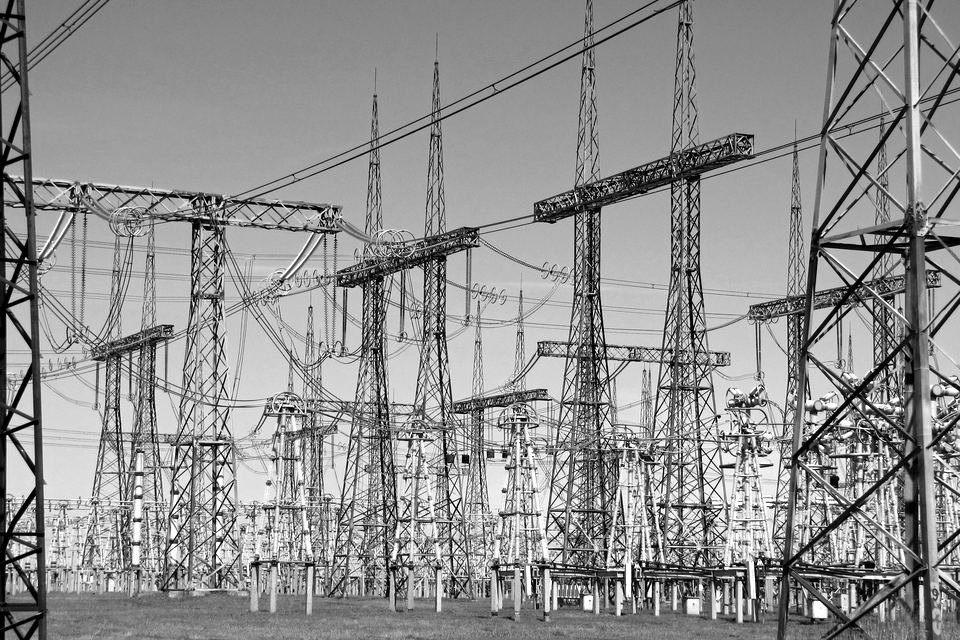

President Trump announced on Sunday that Russia and Ukraine had agreed to an “energy ceasefire,” effective immediately. The idea is a good one. Russia has repeatedly struck Ukraine’s power grid, and Ukraine has answered by hitting Russian refineries. A mutual halt would protect civilians heading into winter and could ease pressure on the world’s fuel markets, which are already strained by the war with Iran.
But an agreement is more than an announcement, and so far that is all this is. Moscow did not confirm it. Ukraine’s president, Volodymyr Zelensky, said the news reached him the way it reached everyone else. By Sunday evening, his office reported that Russia had struck a power plant in the Kharkiv region after the president’s post. And this is not the first time: on Sept. 14, according to the Associated Press, Trump said both sides had agreed not to hit each other’s energy infrastructure, and nothing came of it.
The strongest case for the president’s approach is that conventional diplomacy has not ended this war, and that a public, personal push from the White House can create momentum that years of careful statements have not. Ukraine itself says it wants an energy truce, and Zelensky has offered terms: Kyiv will stop striking Russian refineries if Russia stops attacking Ukraine’s power system. That is worth building on.
What makes it hard to build on is everything else the administration did this weekend. On Friday, Trump eased sanctions to let Russian diesel flow onto world markets, weeks after signing a law designed to choke off the oil revenue that pays for Moscow’s war. On Saturday, he said Ukraine should get a new leader. Each step handed the Kremlin something it wanted and asked nothing in return. A mediator who rewards one side and berates the other should not be surprised when the rewarded side feels little urgency to sign.
There is also the matter of who decides Ukraine’s leadership. Ukraine’s foreign minister put it plainly: Ukrainians have the right to choose their president. Zelensky has said he would hold elections if Russia agreed to a 60-day ceasefire, noting that votes under martial law are not lawful. Pressuring an elected wartime government to step aside is not a peace plan. It is an invitation for Moscow to wait.
If the White House wants this truce to hold, the path is not complicated. Put the terms in writing. Get a public commitment from the Kremlin, not just a social media claim. Work with allies such as Canada and Britain, whose leaders said Sunday they support an energy ceasefire, to agree on how violations will be reported and answered. And stop treating sanctions relief as a free gift when it should be leverage.
Americans paying more than $6 a gallon for diesel deserve relief, and Ukrainians sitting in the dark deserve it more. Both are better served by a real agreement than by a headline that collapses by nightfall.
Sources
- NBC News, Oct. 11, 2026: Trump’s post announcing an energy ceasefire, no details, earlier similar announcement, Zelensky’s terms and election offer on ABC’s This Week, Iran war and fuel prices
- CBS News, Oct. 11, 2026: Zelensky said the announcement was news to him, strike on a Kharkiv power plant, Carney and Burnham support for an energy ceasefire, diesel deal background, Sybiha’s statement that Ukrainians decide
- Associated Press (via PBS NewsHour), Oct. 11, 2026: Moscow did not immediately comment, Sept. 14 claim that came to nothing, Kharkiv attack after the post, elections unlawful under martial law
- Associated Press (via PBS NewsHour), Oct. 9, 2026: diesel sanctions easing weeks after a Russia sanctions law, diesel at $6.23 a gallon
This editorial was drafted with automated tools from the sources listed, checked by a review pass, and published by Daniel Varrone. Corrections: editor@monochromechronicles.com