Technology · Surveillance
False License Plate Camera Alerts Led to Wrongful Police Stops, NBC Review Finds
People were detained after Flock’s system flagged the wrong vehicle, and some officers entered incorrect plates to work around its errors, as police lean more heavily on networked surveillance.
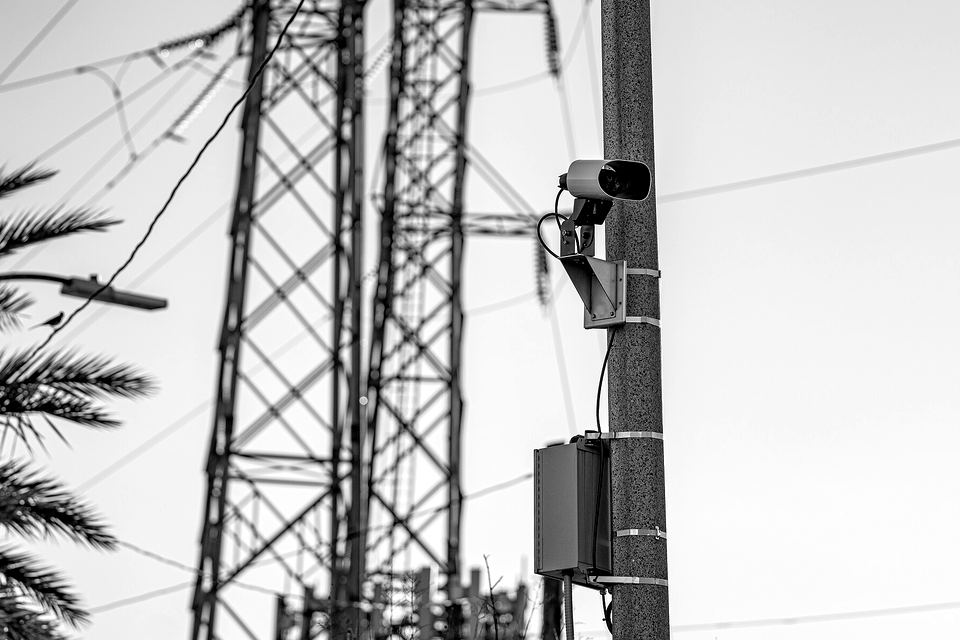

License plate cameras made by the company Flock have become a fixture of American policing, and an NBC News investigation published Monday found that their mistakes can have frightening consequences for drivers who have done nothing wrong.
Flock’s cameras photograph every car that passes and record its plate. If a plate matches one on a hotlist, a law enforcement registry of plate numbers suspected of links to crimes, police receive an alert. NBC News reported that the system can flag the wrong vehicle, and it spoke with five people who were pulled over or detained after false alerts. One of them was jailed for nearly two weeks. In another case, officers in Indiana surrounded an electrician sitting in his company truck with guns drawn and handcuffed him, saying the truck had been reported stolen. They had the wrong man.
NBC News also analyzed logs showing officers searching for plates and adding them to hotlists. According to the network, the logs indicate that some officers intentionally entered the wrong plate numbers to compensate for mistakes in Flock’s system, a practice that could spread an error rather than correct it.
The findings arrive amid broader unease about police surveillance. Flock’s cameras, which use artificial intelligence to read plates, have drawn protests around the country, NPR reported last week. But privacy researchers told NPR that the cameras are only one piece of a larger system. Hundreds of police departments now run real-time crime centers that pull together license plate data, body-worn and dashboard cameras, drones, 911 calls, gunshot detectors and surveillance video, sometimes including feeds from private businesses. Software such as Axon’s Fusus combines those streams on a single screen, and many of the centers are now adding AI tools.
Rachel Levinson-Waldman, who studies these tools at New York University’s Brennan Center for Justice, told NPR that surveillance once required time and staff, which forced police to have a specific reason to watch someone. Now, she said, the sheer volume of data makes it easier to go looking for wrongdoing without one. Privacy experts also warned that the technology can simply get things wrong, sweeping up people by mistake.
Police describe the tools as indispensable. Officials told NPR that real-time crime centers help them find missing children, monitor large events and size up dangerous scenes before sending officers in, and a sheriff’s office in South Carolina credited the system with helping locate a man who shot a police officer. “If you’re not up to no good, we’re not looking at you,” said the manager of one such center in Montgomery County, Maryland. Axon’s chief executive, Rick Smith, has said the company values privacy and that its products are meant to amplify human ability, not replace human judgment.
The question the NBC findings raise is what happens when that judgment defers to an alert. For the people wrongly stopped, the answer was an encounter with armed officers over a mistake made by a machine, and in some cases compounded by the officers using it.
Sources
- NBC News, Oct. 12, 2026: investigation of false Flock alerts, five people stopped or detained, one jailed nearly two weeks
- NBC News, Oct. 12, 2026 (Morning Rundown): how Flock cameras and hotlists work, Indiana electrician detained at gunpoint, logs showing some officers entered wrong plates to compensate for Flock errors
- NPR, Oct. 8, 2026: protests over Flock cameras, real-time crime centers in hundreds of departments and their data sources, Axon Fusus, Brennan Center’s Rachel Levinson-Waldman, police officials’ views including Greenville County and Montgomery County, Axon CEO Rick Smith
This article was drafted with automated tools from the sources listed, checked by a review pass, and published by Daniel Varrone. Corrections: editor@monochromechronicles.com