Technology · Electric Vehicles
Electric Car Sales Rise for a Third Straight Quarter as Gas Prices Stay High
Americans bought about 263,000 electric vehicles from July through September, the most since the record rush before federal incentives ended a year ago. Sales remain well below that peak.
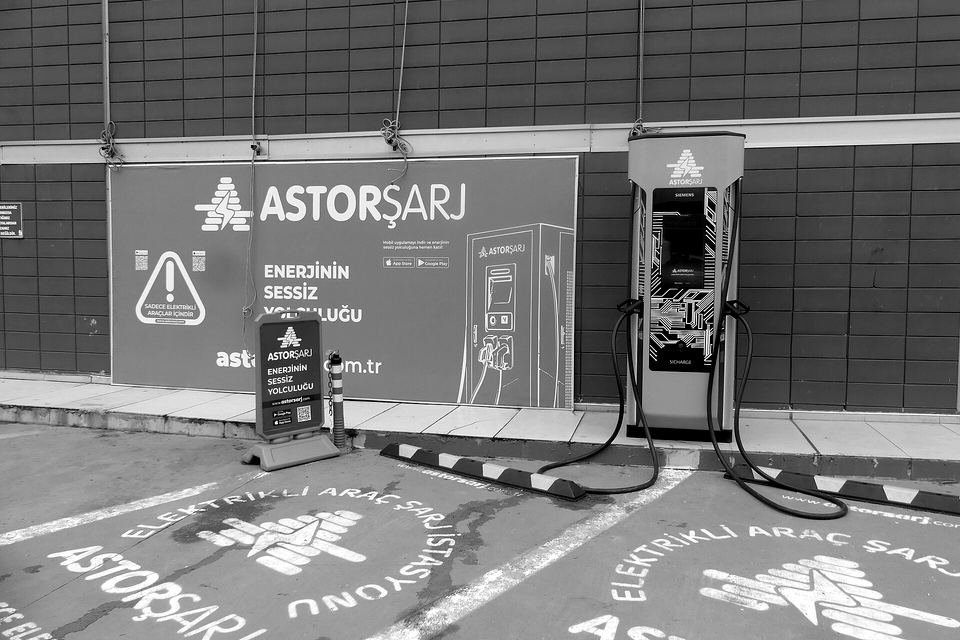

Sales of electric vehicles in the United States grew for a third consecutive quarter this summer, a sign that the market is steadying after the collapse that followed the end of federal purchase incentives, according to new estimates from Kelley Blue Book and its parent company, Cox Automotive.
Buyers drove off with 262,649 electric vehicles from July through September, up 6.1 percent from the spring and the highest quarterly total since the third quarter of 2025. Electric models made up a little over 6 percent of new-vehicle sales, up from 5.8 percent in the second quarter.
The comparison with a year ago is less flattering. Sales were down 39.5 percent from the third quarter of 2025, a record quarter inflated by shoppers rushing to buy before the federal tax credits expired. Electric vehicles’ share of the market topped 10 percent at that peak.
Stephanie Valdez Streaty, director of industry insights at Cox Automotive, said the market is finding its footing again and that the reset after the incentives ended appears largely over. She credited more competitive prices for electric models and gasoline prices well above $4 a gallon, which she said are making the cars more appealing. Future growth, she said, will depend on the products, prices and strategies automakers bring to showrooms.
Tesla still sold more than half of all electric vehicles in the quarter, but its sales fell 20 percent from a year earlier. The Model Y accounted for most of its volume. The biggest gains came from Toyota and its Lexus brand, whose electric models sold far better after a refresh that reached dealers late last year and added Tesla-style charging ports, larger batteries and faster charging. Rivian’s sales rose 46 percent and Subaru’s 31 percent, while nearly every other automaker sold fewer electric cars than a year ago.
Hybrids are doing even better. Including hybrids and plug-in hybrids, electrified vehicles made up nearly a quarter of all new cars sold in the quarter.
Germany offers one possible guide to what comes next. When it ended its purchase incentives in late 2023, a year earlier than expected, electric sales fell by more than half the following month before steadily recovering; August sales there were the second highest on record.
Skeptics of the rebound have a fair point: the gains are coming off a low base, a large share of the recent demand appears tied to unusually high fuel prices, and sales remain far below last year’s level. If gasoline prices fall, the momentum could fade. Supporters of electric vehicles counter that falling prices and better models are doing work that subsidies once did.
Sources
- Cox Automotive (Kelley Blue Book Q3 2026 EV Sales Report and commentary), Oct. 12-13, 2026: 262,649 units, up 6.1% from Q2 and down 39.5% from the record Q3 2025, share about 6.4% versus 5.8% in Q2 and above 10% in Q3 2025, incentive expiration, Tesla down 20% but more than half of sales, Model Y share, Toyota and Lexus, Rivian up 46%, Subaru up 31%, electrified share near 25%, gas above $4, Valdez Streaty’s comments
- TechCrunch, Oct. 14, 2026: third consecutive quarter of growth, share of 6.1% as first reported, Valdez Streaty’s ‘finding its footing’ remark, competitive prices and high gas prices, Toyota bZ and Lexus RZ refresh with Tesla-style ports, larger batteries and faster charging, Germany’s incentive cutoff and recovery
This article was drafted with automated tools from the sources listed, checked by a review pass, and published by Daniel Varrone. Corrections: editor@monochromechronicles.com