Opinion · Editorial
Condemn the Riots in France, Then Answer the Anger Behind Them
Looting and arson betrayed the hundreds of thousands who marched peacefully over prices and schools. Governments everywhere, including our own, should hear what they were saying.
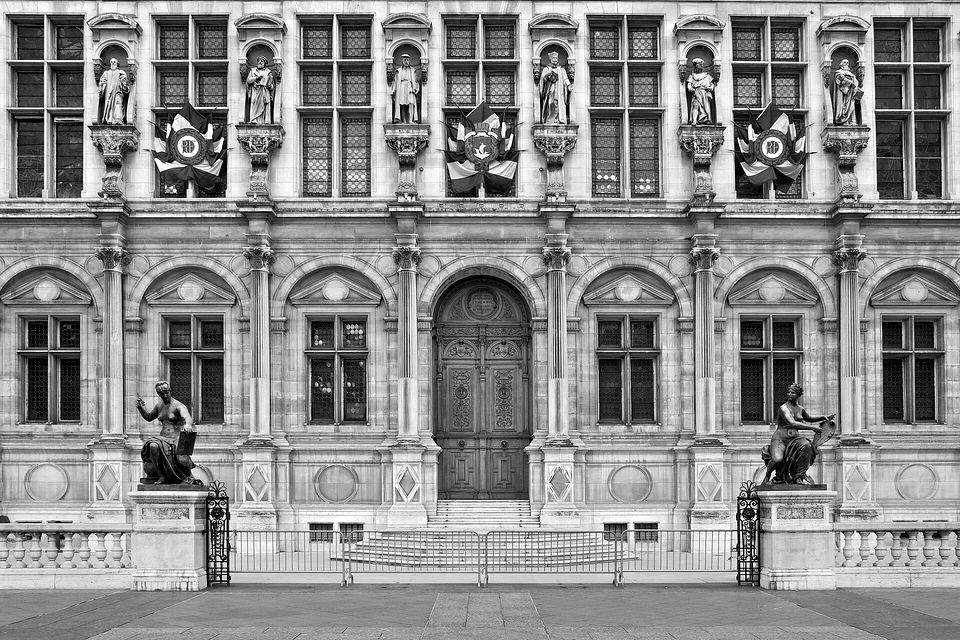

On Saturday, hundreds of thousands of people in France did something democracies should welcome. Students worried about crowded, crumbling schools marched alongside union members and veterans of the yellow vest movement to say that fuel, rent and groceries cost more than ordinary wages can carry. By nightfall, too many of those marches had been overtaken by looting and fire. Shops were ransacked, a tourist office in Lyon was set ablaze and the historic town hall in Limoges burned. Officials counted more than 2,000 arrests and hundreds of injured police.
There is no excuse for that destruction, and President Emmanuel Macron was right to say so plainly in his address on Sunday. Much of the damage fell on small shopkeepers who are themselves squeezed by the same costs the protesters decried. Burning a town hall does not lower anyone’s rent. Those who did it should be prosecuted, and the police response deserves the full and transparent review Macron promised, including the complaints of excessive force raised by groups on the left.
But a government that stops at condemnation will have learned the wrong lesson. Macron himself drew the distinction that matters, between protesters with legitimate demands and those who came to smash and steal. The legitimate demands remain. Fuel has climbed across Europe since the war with Iran disrupted shipping through the Strait of Hormuz. Students have been protesting for weeks over conditions in their schools. A generation that sees its prospects shrinking while prices rise is not going to be persuaded by speeches about order alone.
The strongest argument against bold new spending deserves to be taken seriously. France already carries heavy public debt and is working under an austerity budget, and any government facing high borrowing costs has to make hard choices. Prime Minister Sébastien Lecornu has made a narrower point, that limited public money cannot endlessly pay for the damage vandals cause, and has tied it to a bill that would make rioters liable for that damage. Fair enough. But choices are exactly the point. Relief can be targeted at the households and young people hit hardest, paid for by asking more of those who have done well, rather than spread thinly or not offered at all.
The politics of failure are already visible. Marine Le Pen, who leads polls ahead of next spring’s presidential election, has seized on the chaos to call the government exhausted and soft. When mainstream parties fail to answer economic pain, movements that offer anger instead of solutions gain ground, and the riots have handed her an argument she will use until April.
Americans should not watch this from a comfortable distance. Prices at the pump and the grocery store are squeezing families here, too, and diesel costs are shaping decisions in Washington weeks before the midterm elections. The healthy response is the one on display in France before the violence: people organizing, marching peacefully and voting. The responsibility of those in power is to make that path feel worth taking, by treating the cost of living as the central issue it has become rather than a talking point.
France will clean up its streets this week. The harder repair is restoring the belief, among young people above all, that democratic institutions can still deliver a decent life.
Sources
- France 24 (with AFP), Oct. 18, 2026: Macron’s address, legitimate demands versus looters, arrests and injuries, Limoges town hall fire, Lyon tourist office, promised transparency on policing, support for businesses, Le Pen’s ‘running on fumes’ remark
- Euronews, Oct. 18, 2026: Macron’s ‘nothing justified’ remarks, more than 2,000 arrests and over 600 injured, Le Pen’s poll lead ahead of next April’s election and accusation of laxity, left-wing criticism of police force
- Euronews, Oct. 17, 2026: students, unions and yellow vests protesting the cost of living and school conditions; fuel prices rising since the Iran war disrupted the Strait of Hormuz
- Euronews, Oct. 17, 2026: Prime Minister Lecornu’s comments on the far left and on limited public money for repairing vandal damage; France’s debt and austerity budget, four weeks of student protests
- Reuters (via ARY News), Oct. 18, 2026: Trump’s Russia sanctions waiver weeks before the midterm elections and a separate deal for Russian diesel aimed at easing fuel prices that climbed during the Iran war
This editorial was drafted with automated tools from the sources listed, checked by a review pass, and published by Daniel Varrone. Corrections: editor@monochromechronicles.com