Opinion · Editorial
Farmers Need Diesel Relief. They Also Need Washington to Stop Raising Costs
An $8 billion check at harvest time will ease real pain. But aid that arrives just before an election, to offset costs driven by the government’s own war and trade choices, is not a farm policy.
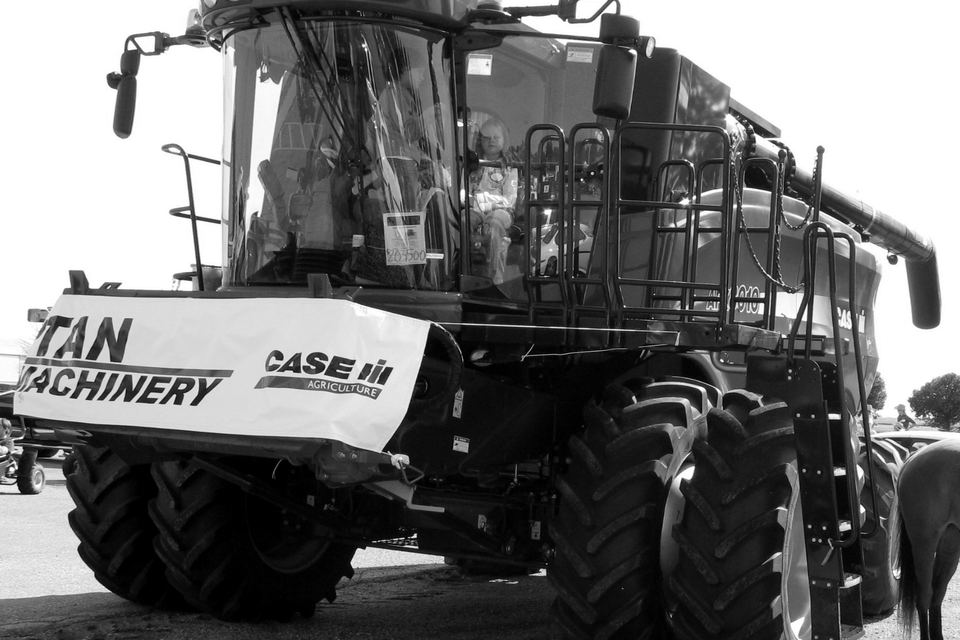

Farmers are not imagining their problem. Diesel set a record above $6.50 a gallon in late September and still averages about $6.32, compared with $3.62 a year ago, according to AAA. The Agriculture Department expects farm fuel and oil expenses to rise nearly 30 percent this year while net farm income falls. Harvest is when tractors, combines and trucks burn the most fuel. So when President Trump announced an $8 billion Harvest Fuel Relief program at a Kansas rally on Monday night, plenty of growers had good reason to welcome it.
We do not begrudge them the money. Supporters of the program make a fair argument: farmers cannot control world oil prices, they cannot delay a harvest, and letting farms fail over a single bad season would cost the country more in the long run. A payment tied to planted acres and estimated costs is at least a transparent way to deliver help.
But the context matters as much as the check. This is the second large rescue in less than a year. Last December the administration announced $12 billion to offset losses from its tariffs and trade policies. Now comes $8 billion to offset fuel costs that climbed after the start of the war with Iran. As Gbenga Ajilore of the Center on Budget and Policy Priorities put it to CBS News, the pattern is that the government’s policies raise farmers’ costs and taxpayers then pay to soften the blow.
The timing also invites skepticism. The program was announced two weeks before the midterms, at a campaign rally, by a president who told the crowd that Republicans would pass even more farm funding if they hold Congress. Payment rates are not due until November. The New York Times, as republished by GV Wire, reported that tariffs, fuel and fertilizer costs and Medicaid cuts that hurt rural hospitals have made Senate races in Kansas, Iowa and Texas competitive, a finding the paper could not independently confirm. Aid announced on that stage looks less like policy than like a campaign promise paid for with public money.
There is a fairness question, too. Small manufacturers, delivery businesses, rural commuters and families heating their homes with oil are paying the same inflated prices for diesel and fuel oil. They are not getting checks. When relief flows to the groups that matter most in a given election, it erodes trust that government treats people evenly.
A better approach would deal with causes rather than symptoms. That means a serious diplomatic effort to end the conflict that is driving up energy prices, an honest accounting of what the tariff strategy has cost farm exporters, and a durable farm safety net written by Congress, with clear rules and regular budgets, rather than emergency payments announced from a rally stage. It also means doing more to help farmers use less fuel in the first place, through steady support for efficiency and conservation programs.
Farmers deserve help this fall. They also deserve a government that stops making their costs higher and then asking for credit for the refund.
Sources
- CBS News, Oct. 20, 2026: $8 billion Harvest Fuel Relief program announced at a Kansas rally on Monday night, Oct. 19; AAA diesel prices; USDA fuel cost and income forecasts; December $12 billion package; payment timing; Trump’s remarks; Ajilore’s criticism
- The New York Times (via GV Wire), Oct. 18-20, 2026: tariffs, fuel and fertilizer costs and Medicaid cuts straining rural support; competitive Senate races in Kansas, Iowa and Texas
- Reuters, Oct. 20, 2026: $8 billion support program for farmers to offset diesel costs
This editorial was drafted with automated tools from the sources listed, checked by a review pass, and published by Daniel Varrone. Corrections: editor@monochromechronicles.com