Health · Vaccines
Nearly Half of Parents Wrongly Think Spacing Out Shots Is Healthier, Poll Finds
A KFF survey finds strong support for the measles vaccine across party lines, but sharp partisan splits on vaccine scheduling and falling confidence in COVID-19 shots during pregnancy.
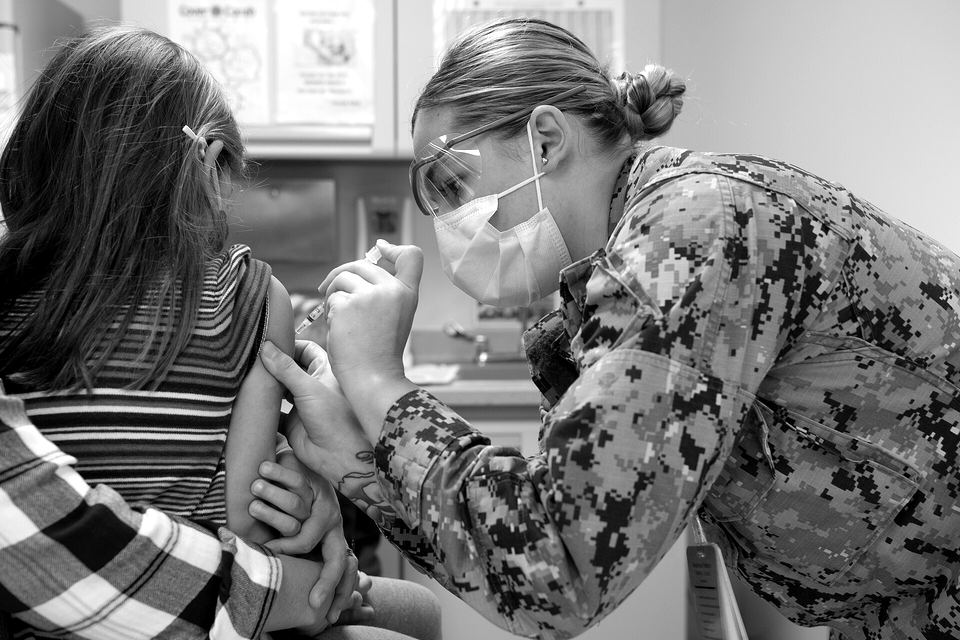

Nearly half of American parents believe children are healthier when vaccines are spread out over more visits rather than given several at once, a view not supported by scientific evidence, according to a KFF poll released Tuesday.
The survey found that 48 percent of parents endorsed spacing out childhood vaccines, while 52 percent said there was no strong evidence for doing so. The split followed party lines: 69 percent of Republican and Republican-leaning parents said spacing was healthier, while 68 percent of Democratic and Democratic-leaning parents said there was no strong evidence for it, KFF and the University of Minnesota’s Center for Infectious Disease Research and Policy reported.
The findings arrive as the administration seeks to change the childhood schedule. An executive order President Trump signed in August calls for cutting the number of diseases targeted by routine childhood vaccination from 17 to 11 and for giving the measles, mumps and rubella shots as separate vaccines, according to KFF, which describes spacing out vaccines and avoiding multiple shots in one visit as key directives of the effort. Federal courts have blocked the proposed changes.
Most Americans have not heard much about that effort. Fifty-nine percent of adults said they had heard little or nothing about the latest changes. Asked how the changes would affect children’s health, 40 percent of adults expected harm, 12 percent expected a benefit, 9 percent expected no effect and 38 percent were unsure. Among Republicans, 27 percent expected a benefit and 9 percent expected harm, with about half unsure.
Supporters of the administration’s approach argue that parents deserve more choice and that public trust in health agencies has to be rebuilt. The poll suggests that trust in some core vaccines remains broad. About 8 in 10 adults and three-quarters of parents said the benefits of the MMR vaccine outweigh its risks, including 69 percent of parents who support the Make America Healthy Again movement, though Republican-leaning parents were more likely than Democratic-leaning parents to say the risks outweigh the benefits, 24 percent to 14 percent. Large majorities across party lines expressed confidence in the safety of the polio vaccine.
Confidence in COVID-19 vaccines during pregnancy has fallen. Thirty-nine percent of adults said they were confident the shots are safe for pregnant people, down from 53 percent in May 2022, and confidence dropped among both Democrats and Republicans. About one-third of adults said they had encountered the claim that vaccination during pregnancy raises the risk of miscarriage. Few were certain either way: 9 percent called the claim definitely true and 8 percent definitely false, while most said it was probably true or probably false.
The poll was conducted Sept. 16 to 21 among 1,328 adults, online and by telephone, and has a margin of sampling error of plus or minus 3 percentage points for the full sample. Margins for smaller groups, such as parents by party, are considerably larger.
The results arrive as the country’s measles count has climbed past 4,400 confirmed cases this year, according to the Centers for Disease Control and Prevention, roughly double the total for all of 2025.
Sources
- KFF, Oct. 20, 2026: Tracking Poll on Health Information and Trust, Fall 2026 update; vaccine spacing, MMR, polio and COVID-19 in pregnancy findings; awareness and expected effects of schedule changes; August executive order cutting targeted diseases from 17 to 11 and splitting MMR; party and MAHA breakdowns; methodology
- CIDRAP, Oct. 16, 2026: CDC count of 4,410 measles cases in 2026
- CIDRAP, Oct. 20, 2026: poll finds nearly half of parents believe spacing out vaccines is healthier; party splits; August executive order and its blocked schedule changes; COVID-19 pregnancy confidence decline
This article was drafted with automated tools from the sources listed, checked by a review pass, and published by Daniel Varrone. Corrections: editor@monochromechronicles.com