Business · The Fed
Fed Expected to Hold Rates Days Before the Midterms as Inflation Climbs
Kevin Warsh leads the central bank into a decision on Wednesday with consumer prices rising at 3.7 percent and a December hike already priced in by markets.
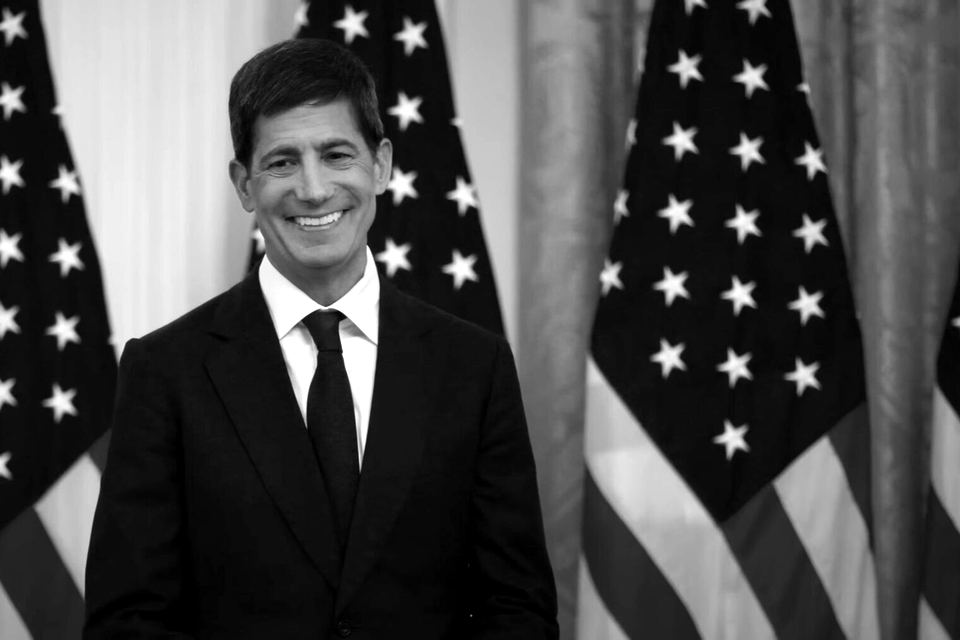

The Federal Reserve is expected to leave its benchmark interest rate unchanged on Wednesday, ending a two-day meeting held less than a week before the November 3 midterm elections. Markets put the odds of a hold at about 90 percent, according to the CME FedWatch tool cited by several outlets, with a range of 3.75 percent to 4 percent now in place after a quarter-point increase in September.
The backdrop is unwelcome. The annual inflation rate reached 3.7 percent in September, up from 3.4 percent in August and well above the Fed’s 2 percent target. Energy is a main driver: gasoline is reported to have risen sharply last month, and the national average for regular gasoline was about $4.25 a gallon on Wednesday, according to AAA, compared with about $3.04 a year earlier.
The decision is due at 2 p.m. Eastern, and Chair Kevin Warsh is scheduled to hold a press conference at 2:30 p.m., which is where analysts expect the news. Warsh has long been wary of giving specific guidance about future rate moves, yet investors are looking beyond this meeting: the same market tool showed roughly a 75 percent chance of another quarter-point increase in December. Fed officials have said, in remarks reported by NBC News, that there is time to wait and see how financial conditions evolve.
The politics are plain even if the Fed insists they do not drive it. Rising prices, especially for housing and energy, top the list of voters’ concerns in a recent NBC News poll. Two-thirds of respondents called the gas-price increase a serious problem, and only 27 percent approved of the president’s handling of the cost of living. Voters in the poll tied higher prices to the Iran war and to tariffs.
There is a strong case for holding. A rate increase works slowly, and it does little to lower the price of oil set by a military conflict. Raising borrowing costs for households already stretched by food, rent and fuel could slow the economy without addressing the cause of the price surge.
The case for acting is also serious, and inflation hawks make it fairly: if households and businesses come to expect high inflation, it becomes harder to dislodge, and waiting could mean a larger increase later. That is the argument some analysts say makes a hold a risk for Warsh.
The decision is therefore a judgment about which risk is worse, and it will be made in a season when every economic number is read as a campaign message. The central bank’s independence is tested most when its choices are inconvenient for whoever holds power. What households will notice first is not the Fed’s statement but the price at the pump and the grocery store, and neither is something the central bank controls directly.
Sources
- NBC News, Oct 27, 2026: Fed expected to hold as inflation tops midterm voters’ concerns; poll figures; Warsh as chair; September increase
- Euronews, Oct 27, 2026: what to expect from the Fed as Warsh weighs inflation, oil and the midterms; decision at 19:00 CET (2 p.m. Eastern) and press conference at 19:30 CET (2:30 p.m. Eastern)
- Federal Reserve, 2026: FOMC meeting calendar, Oct 27-28 meeting
- AAA, Oct 28, 2026: national average price of regular gasoline, $4.25 today and $3.04 a year ago
This article was drafted with automated tools from the sources listed, checked by a review pass, and published by Daniel Varrone. Corrections: editor@monochromechronicles.com