Health · Heart Health
Energy Drinks and Stimulant Supplements Tied to Heart Reports in Young Adults
A preliminary study of FDA reports, to be presented at the American Heart Association’s meeting, finds an association, not proof of harm.
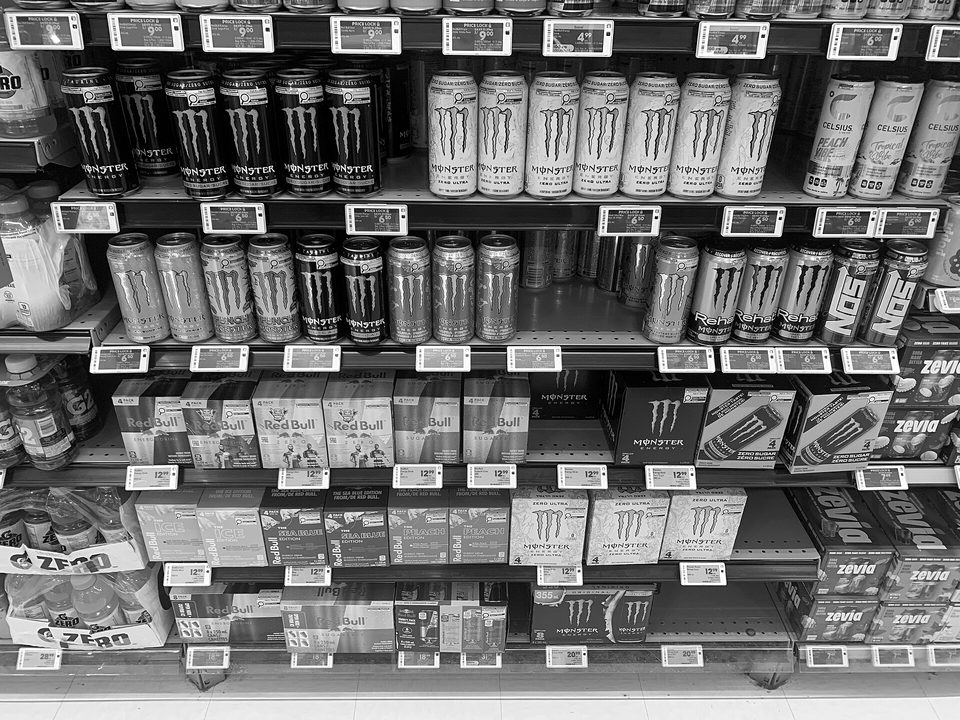

Caffeinated energy drinks and stimulant supplements showed up more often than other foods and supplements in federal reports of serious heart events, especially among adults 18 to 34, according to preliminary research released Monday by the American Heart Association. NBC News also reported on the findings.
The work, abstract MDP0323, will be presented at the association’s Scientific Sessions in Chicago, Nov. 6-9. It has not been peer reviewed; the association says meeting abstracts are screened by independent panels and that findings are preliminary until published in a journal. The study’s author, Sai Samayamanthula, is in the fourth year of medical school at the University of Virginia. The release does not name a funder; it says disclosures and funding are listed in the abstract, which this paper had not seen.
The team analyzed reports to a federal safety database from people 13 and older between 2017 and 2025. It compared reports involving products with caffeine and other stimulants to reports involving other FDA-regulated foods and supplements, including sodas, shakes, bars, smoothies and vitamins. The association’s materials show a figure covering 612 reports involving the stimulant products for which the person’s age was known, and tracking cardiac arrest, heart attack, irregular rhythms, palpitations, chest pain and fainting. The release text this paper reviewed did not give the overall count of reports, absolute rates or relative-risk figures, so none are reported here.
That gap matters. The database collects voluntary reports, so it cannot show how many people drink these products or how many have a heart event, and it cannot show cause. Gregory Marcus, a University of California, San Francisco cardiologist who led the writing group for the association’s 2026 caffeine statement and had no role in the study, said the work raises concern about very high-caffeine products but does not prove they cause these events. “More research is needed,” he said.
The authors say the pattern in young adults may reflect how often they use the products, how they use them, such as before intense exercise or with alcohol or drugs, or an undiagnosed heart condition. Samayamanthula said the risk is probably small for healthy people who use them occasionally, but that regular users can quickly pass recommended limits.
A 2026 caffeine statement from the association says up to 400 milligrams of caffeine a day, about five 8-ounce cups of brewed coffee, is generally safe for most adults. Some energy drinks have up to three times as much caffeine per fluid ounce as brewed coffee, and some pre-workout supplements more than 12 times as much. The association said annual U.S. sales of caffeinated energy drinks passed $20 billion in 2024, more than twice the level of ten years earlier.
The FDA regulates the products as foods or supplements, so they do not undergo the premarket safety testing required of drugs. The authors call for more systematic safety monitoring and advise clinicians to ask young patients with palpitations, chest pain or fainting about their use.
Sources
- American Heart Association, Nov. 2, 2026: abstract MDP0323, study design, quotes from Samayamanthula and Marcus, caffeine guidance, sales figure <https://newsroom.heart.org/news/energy-drinks-stimulant-products-linked-to-cardiac-arrest-heart-attack-in-young-adults>
- NBC News, Nov. 2, 2026: report on the study presented at the AHA’s meeting <https://www.nbcnews.com/health/health-care/energy-drinks-linked-higher-risk-cardiac-arrest-young-adults-study-fin-rcna606546>
This article was drafted with automated tools from the sources listed, checked by a review pass, and published by Daniel Varrone. Corrections: editor@monochromechronicles.com
More from Health
About this story: Compiled by the The Monochrome Chronicles desk from the sources listed above. Our standards · Report an error · Follow on YouTube