California Voters Reject Billionaire Wealth Tax, Pass a Ban on It
Proposition 40’s defeat followed a $378 million campaign funded largely by Silicon Valley billionaires; a companion measure barring future wealth taxes passed with 51.3 percent.
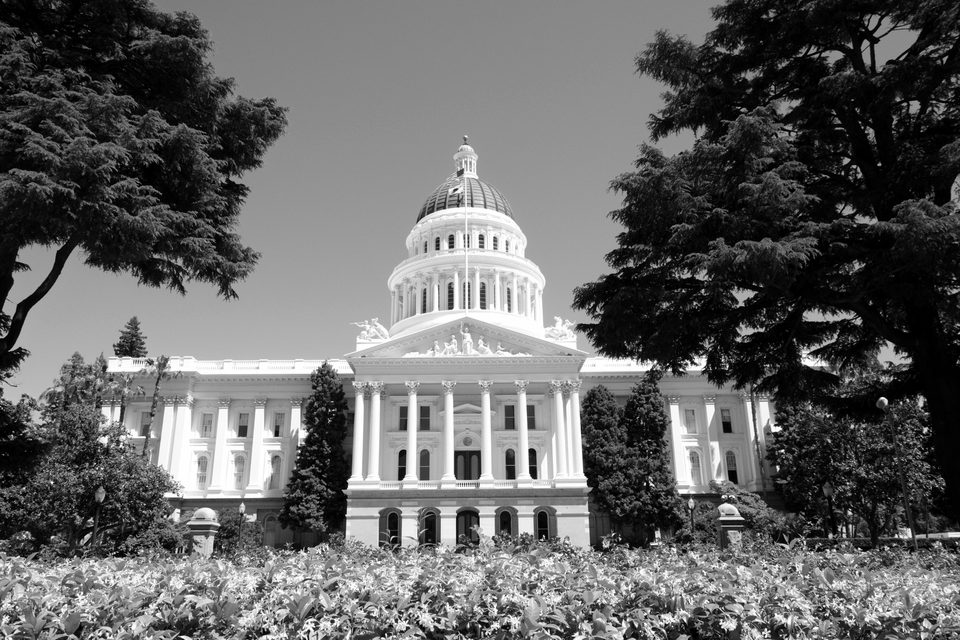

California voters rejected a first-in-the-nation wealth tax on billionaires and approved a competing measure that bars state and local governments from ever enacting one, final returns confirmed this week, even as the same electorate voted to raise income taxes on high earners.
Proposition 40 would have imposed a one-time 5 percent tax on the net worth of Californians worth more than $1 billion. The Associated Press called the race against the measure after it trailed narrowly on election night and the gap widened as later ballots were counted. Its counterpart, Proposition 42, instead forbids any such wealth levy going forward, reaching business holdings and investment assets as well as personal belongings; the AP confirmed its passage at 51.3 percent on Nov. 13, according to CalMatters.
The opposition built on a $378 million campaign funded largely by Silicon Valley technology billionaires, CalMatters reported. Those fighting Proposition 40 ranged well beyond the super-rich, from Governor Newsom to reproductive-health and medical groups and the state’s biggest teachers’ union; labor’s statewide federation and the Democratic Party apparatus backed it instead.
Support for the wealth tax fell about six points in the final two months of the race, turning what had been a narrow lead into a decisive loss, Mark Baldassare, survey director at the Public Policy Institute of California, told CalMatters. “We are a very progressive state where voters, particularly today when affordability weighs on them, have a tendency to say somebody else will be paying taxes, not me,” he said. Thad Kousser, a political scientist at UC San Diego, called the measure “an unforced error” that “made it a David and Goliath fight” when it did not need to be.
Dave Regan, president of SEIU-United Healthcare Workers West and the measure’s chief backer, told CalMatters that polling found 60 to 70 percent of Democrats supported the wealth tax and that only a handful of Democratic leaders, including Newsom and Governor-elect Xavier Becerra, broke with the party’s base to oppose it. He said he plans to bring another billionaire-tax measure to voters in 2028.
The same ballot saw voters approve Proposition 3, which permanently sets a higher income-tax bracket on earnings above $360,000 a year, making permanent a surtax California has levied since 2012 as a temporary budget fix; it passed with nearly 59 percent support. California Teachers Association President David Goldberg argued the outcome was still, in his words, “a resounding message of support for taxing the wealthy,” even with the billionaire-specific tax’s defeat. Voters also rejected Proposition 41, on tax disclosure, and Proposition 43, which would have required a two-thirds vote for local special taxes dedicated to specific services.
California’s nonpartisan Legislative Analyst’s Office has cautioned that the state is running structurally short, projecting it will come up $8 billion to $10 billion short each year even after a budget that has grown 64 percent over seven years, to $351.7 billion — a fiscal backdrop both sides of the tax fight invoked to make their case.
Sources
- CalMatters, Nov. 14, 2026: vote margins, opposition spending and campaign quotes <https://calmatters.org/politics/elections/2026/11/tax-the-rich-ballot-measures/>
- The Associated Press (via FOX10 Phoenix), Nov. 9, 2026: confirms Proposition 40’s defeat <https://www.fox10phoenix.com/news/prop-40-fails-california-voters-reject-billionaire-wealth-tax>
This article was drafted with AI writing tools from the sources listed, checked by a review pass, supervised by the paper’s editors and published by Daniel Varrone. Corrections: editor@monochromechronicles.com
More from United States
Recommended Reading
About this story: Compiled by the The Monochrome Chronicles desk from the sources listed above. Our standards · Report an error · Follow on YouTube