Science · Climate and Ecology
Study: Over a Quarter of Cactus Species Could Lose 80% of Habitat
A Nature paper modeling nearly 1,000 species finds that adding severe drought to climate projections raises the projected losses for a plant group long assumed to thrive in a hotter world.
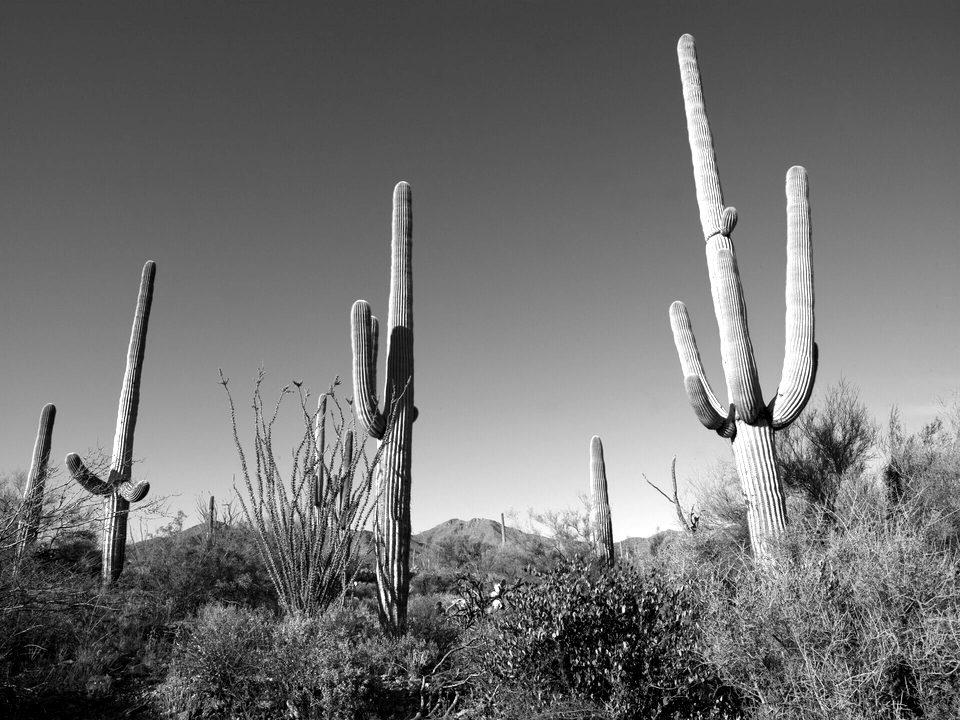
Cacti, symbols of heat and dryness, may be far more vulnerable to climate change than many forecasts suggest, according to a study published Nov. 11 in the journal Nature. The researchers modeled 993 cactus species and found that more than a quarter of them could lose at least 80% of their suitable habitat by 2100, the IUCN reported in a press release about the work.
The team, led by Michiel Pillet of the University of South Florida with co-authors including Brian Enquist of the University of Arizona, drew on nearly 650,000 occurrence records from biodiversity databases, field observations and the citizen-science platform iNaturalist, according to the IUCN and Inside Climate News. Including iNaturalist data more than doubled the number of species that could be analyzed, Inside Climate News reported.
The key change from earlier work was adding severe droughts, not just average warming, to the models. According to the IUCN, models that included severe drought were better supported by the data than average-climate models for 91% of species. “We were extremely surprised by how intense our results were,” Pillet told Inside Climate News, adding that the true impact may be underestimated because data on rare species are thin.
Enquist told the outlet the result challenges the assumption that cacti would be winners in a warming world, because the climate is shifting into a regime these species have not encountered. The IUCN said the biggest risks are in hotspots including Chile, Peru and northeastern Brazil, where projected losses exceed 25% of current cactus richness in some regions.
The findings matter for conservation listings. The IUCN says over 30% of cactus species are already regarded as threatened, chiefly because of habitat destruction and poaching. Losing that much range could push species into the Critically Endangered category, and the group estimated that would raise the number of cacti listed there by more than twofold.
Bárbara Goettsch, co-chair of the IUCN Species Survival Commission’s Cactus and Succulent Specialist Group, said in the release that updating extinction-risk assessments is urgently needed. The group plans to reassess cactus species within three years, and has scheduled expert workshops for 2027 covering the U.S., Mexico and South America, the IUCN said.
Pillet told Inside Climate News that conservation money is limited and that targeting the most at-risk species matters; options discussed include assisted migration, in which seeds are moved to places that fit a species’ climate niche. David Williams, a University of Wyoming botanist who was not involved, said the findings extend beyond cacti. The projections are model-based estimates, not observations of losses already under way.
Sources
- IUCN, Nov. 11, 2026: press release on the Nature study, species count, 91% figure, hotspots and Red List plans <https://iucn.org/press-release/202611/severe-drought-worsens-climate-change-forecasts-cacti>
- Inside Climate News, Nov. 11, 2026: authors, data sources, quotes from Pillet, Enquist and Williams, conservation options <https://insideclimatenews.org/news/11112026/cactus-heat-drought-global-warming/>
This article was drafted with AI writing tools from the sources listed, checked by a review pass, supervised by the paper’s editors and published by Daniel Varrone. Corrections: editor@monochromechronicles.com
More from Science
Recommended Reading
About this story: Compiled by the The Monochrome Chronicles desk from the sources listed above. Our standards · Report an error · Follow on YouTube