Science · Astronomy
Rubin Observatory Finds Two New Faint Companions of the Milky Way
Test data from the Chile telescope turned up a dim dwarf galaxy and a hidden star cluster. Astronomers expect many more.
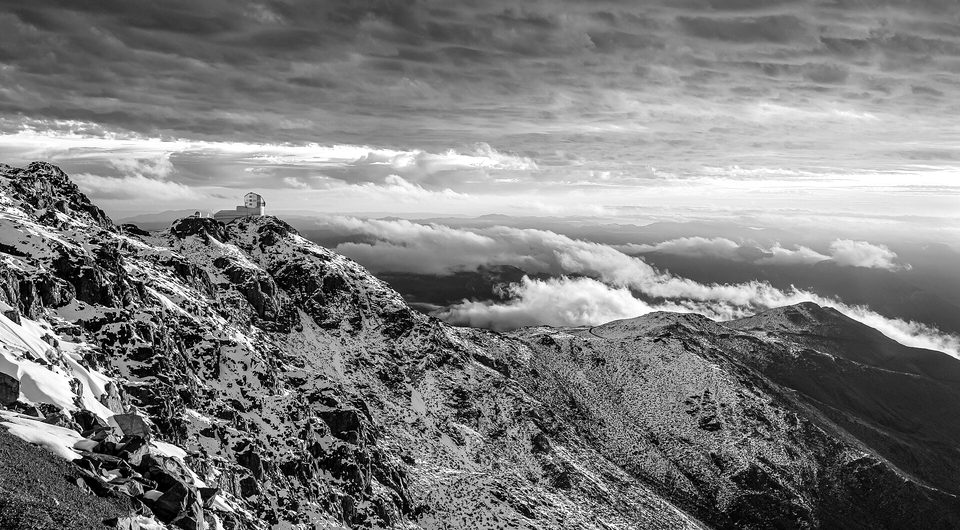

Early test data from the new Rubin telescope in Chile has revealed two previously unknown satellites of the Milky Way, the University of Washington reported. One, Aquarius IV, is an ultra-faint dwarf galaxy in the galaxy’s far outskirts, roughly 350,000 light-years away. The other, Rubin-GC1, is a star cluster on the far side of the Milky Way, hidden behind thick cosmic dust.
Both came from preview data collected between April 2025 and January 2026, before the observatory’s 10-year survey began in June, and from only about 15 percent of the survey’s planned sky coverage. The Aquarius IV study appeared in Research Notes of the AAS; the Rubin-GC1 study was published Oct. 28 in The Astrophysical Journal Letters. Live Science reported that a researcher quoted there cautioned that follow-up observations are needed to confirm Aquarius IV’s identity.
About 60 to 65 Milky Way satellites are known, and astronomers suspect hundreds more are undetected. Ultra-faint galaxies are almost entirely dark matter, so finding more could help test models of how galaxies form. Rubin is funded by the National Science Foundation and the Department of Energy.
Sources
- University of Washington News, Nov. 5, 2026: Rubin Observatory reveals 2 hidden companions of the Milky Way <https://www.washington.edu/news/2026/11/05/rubin-observatory-milky-way-satellites/>
- EarthSky, 2026: First ultra-faint Milky Way satellite galaxy found by Rubin, Aquarius IV <https://earthsky.org/space/1st-ultra-faint-milky-way-satellite-galaxy-aquarius-iv-rubin/>
- Live Science, 2026: Rubin Observatory detects Aquarius IV, one of the smallest and faintest satellite galaxies of the Milky Way ever seen <https://www.livescience.com/space/astronomy/vera-rubin-observatory-detects-one-of-the-smallest-and-faintest-satellite-galaxies-ever-seen-before-the-telescopes-mission-even-began>
This article was drafted with AI writing tools from the sources listed, checked by a review pass, supervised by the paper’s editors and published by Daniel Varrone. Corrections: editor@monochromechronicles.com
More from Science
Recommended Reading
About this story: Compiled by the The Monochrome Chronicles desk from the sources listed above. Our standards · Report an error · Follow on YouTube