Science · Space
NASA Asks Industry How It Could Boost, Service or Retire Hubble
A request for information, not a funded mission, seeks commercial ideas for the 36-year-old telescope, which has no propulsion and is slowly losing altitude.
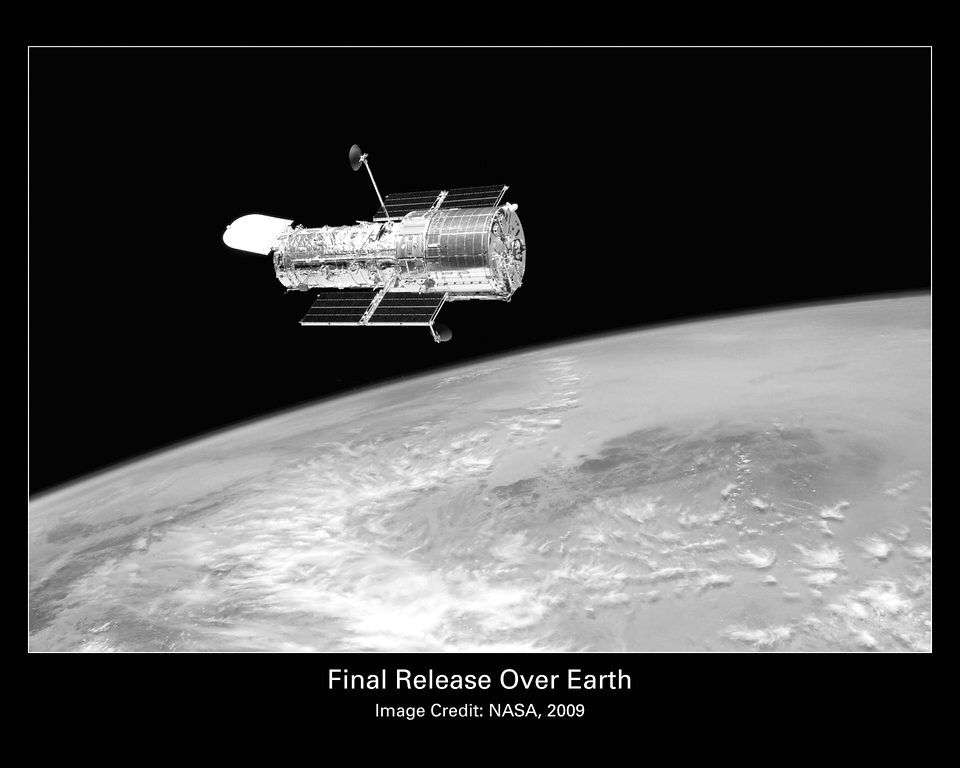

NASA has asked private companies how they might raise the orbit of the Hubble Space Telescope, service it or bring it down safely, in a request for information issued Oct. 29. Responses are due by 3 p.m. EST on Nov. 30, NASA said.
The notice seeks interest in a mission to push Hubble higher and extend its science life, a servicing mission to upgrade it, or a controlled re-entry or disposal at the end. Administrator Jared Isaacman said any option should be cost-effective for taxpayers.
Hubble has no propulsion, and drag slowly lowers its orbit. NASA said analysis points to re-entry in 2033 to 2034, so a mission would need to fly by 2032. The Register, citing NASA, reported a 10 percent chance of re-entry by September 2032 and 50 percent by December 2033.
The notice is only a fact-finding step. NASA has not announced a funded mission or chosen a company.
Sources
- NASA, Oct. 30, 2026: NASA Explores Potential Commercial Servicing for Hubble Telescope <https://science.nasa.gov/missions/hubble/nasa-explores-potential-commercial-servicing-for-hubble-telescope/>
- The Register, Oct. 30, 2026: NASA ponders a Hubble servicing mission or a controlled deorbit <https://www.theregister.com/a/5306622>
This article was drafted with AI writing tools from the sources listed, checked by a review pass, supervised by the paper’s editors and published by Daniel Varrone. Corrections: editor@monochromechronicles.com
More from Science
Recommended Reading
About this story: Compiled by the The Monochrome Chronicles desk from the sources listed above. Our standards · Report an error · Follow on YouTube