A modeled estimate in Nature Sustainability covers 403 facilities and is two to three times higher than earlier figures; an industry group says the fears may be overblown.
The company says it will pay for all the power it uses, with gas-fed fuel cells and carbon capture. A conservation group calls the community benefits vague.
A University of Iowa-led study in Nature Communications finds Jupiter’s bow shock uses waves at several frequencies and a precursor stage that Earth mostly lacks.
A group calling itself the Department of Peace says it took the records from DHS’s single sign-on service; Okta says it has no evidence its systems were compromised, according to Reuters and CyberScoop.
Even companies reporting solid growth saw their shares fall this week, as worries about debt, high interest rates and lofty prices outweighed the earnings news.
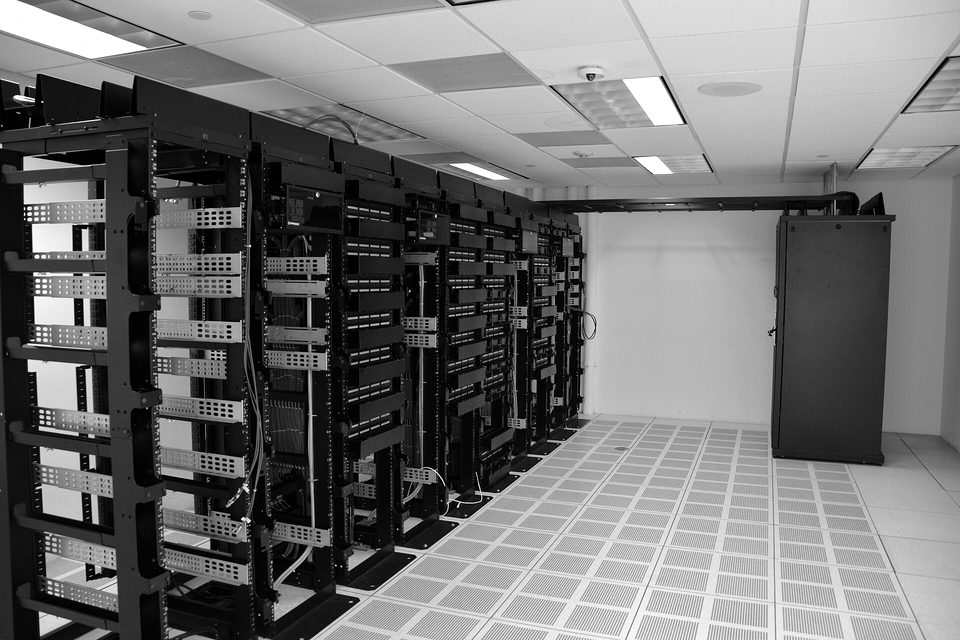
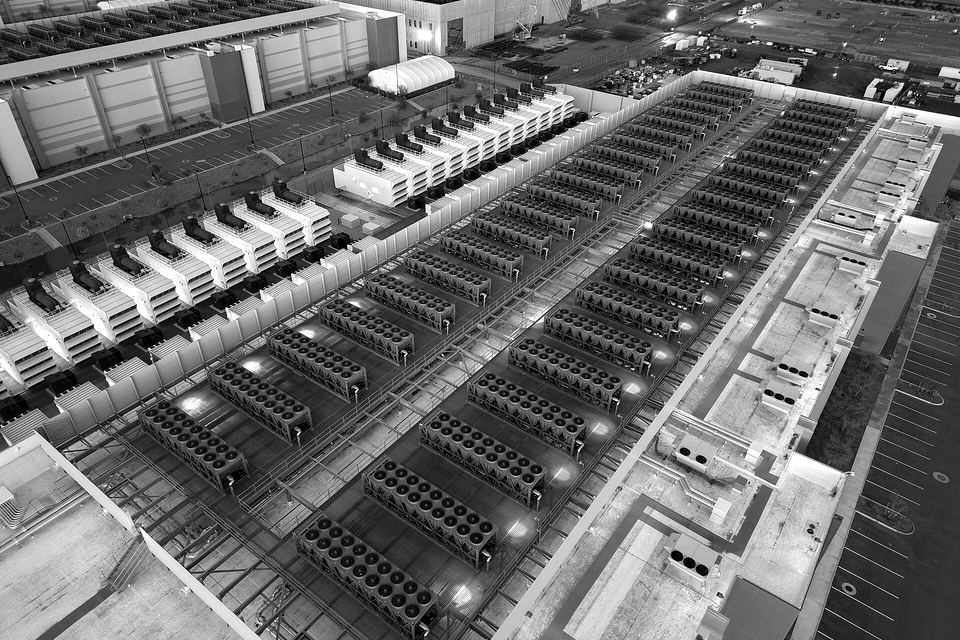
The giant computing facilities behind the AI boom have turned into a target for candidates in both parties, as neighbors complain about power bills, water, noise and land.
The giant buildings that power artificial intelligence promise tax money to struggling places, but neighbors on the left and right are raising alarms about power bills, water, noise and secrecy.
The Ratepayer Protection Act fell three votes short of the 60 needed to advance. Democrats called it too weak to protect households, and Republicans said it was the only version that could become law before the election.
A cybercrime group says it took 2 to 3 terabytes through a job-portal flaw; the bureau says it is investigating and has not said where the breach occurred.
Residents in Pennsylvania and Indiana are pushing back on giant computing campuses over power bills, land and water, while Congress and the White House argue over whether to slow construction.